Are crane flies dangerous?
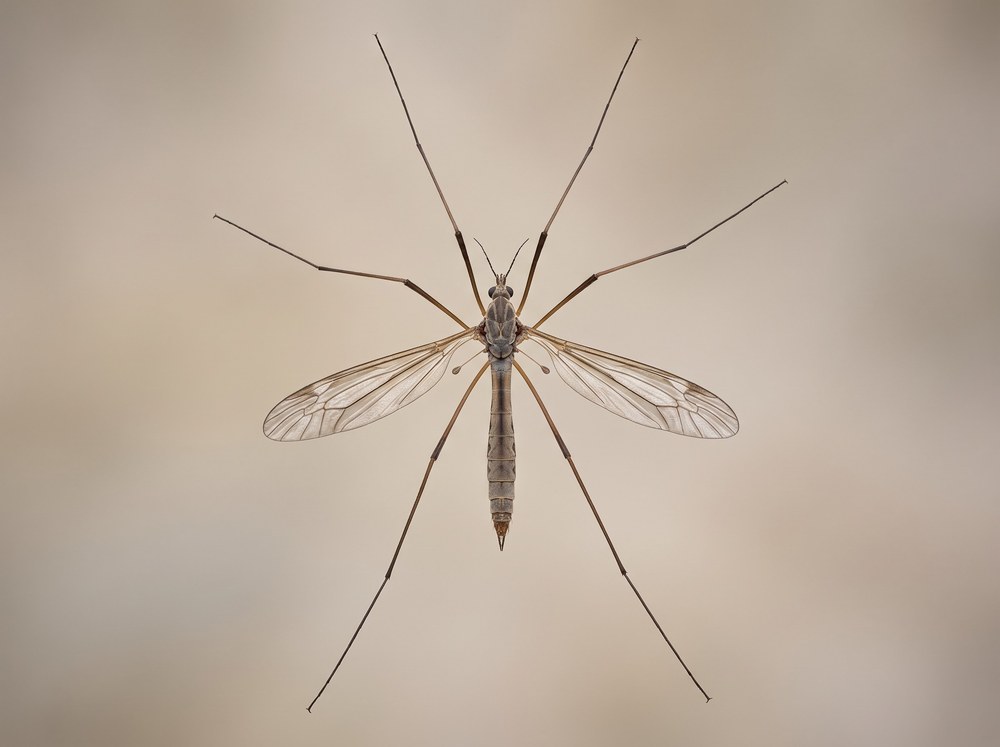
No, crane flies are not dangerous to people or pets. Despite their giant mosquito-like bodies and long sprawling legs, they do not bite, sting, or spread disease. Adult crane flies do not even have mouthparts that can pierce human skin or inject venom. If you spot one bumping clumsily into your living room wall or ceiling light, it cannot harm you. Finding an unexplained red bump on your skin means a completely different insect or common skin irritant caused the reaction.
Bite Symptom Checker
Check every symptom you're currently experiencing from the mark you found. Get a plain-English risk read.
Can crane flies actually bite or sting you?
Crane flies look intimidating because of their oversized bodies, but they are entirely harmless. They lack stingers, venom glands, and piercing mouthparts. Most adult crane flies live for only a few days with the sole purpose of mating, and many do not feed at all. They cannot break your skin, draw blood, or pass along any infectious illnesses.
When you notice an itchy welt or red spot on your arm, you can safely rule out a crane fly as the cause. People often confuse them with giant mosquitoes, which creates needless worry. These clumsy flyers might startle your family indoors, but they simply cannot attack you or cause physical injury.
What might you feel if a bug touched your skin?
A crane fly landing on your arm feels like nothing more than a faint, tickling flutter. Their long, spindly legs might brush against your skin as they wander blindly, but the contact will not create sudden sharpness, burning, or swelling.
If you actually feel a sharp pinch, sudden stinging pain, or localized heat, another outdoor creature is responsible. True biting insects often leave behind an itchy, firm red bump within minutes. Your body reacts to foreign saliva from other pests, whereas a fleeting brush from a crane fly leaves your skin clear and calm.
How quickly do real bug reactions change over time?
Typical insect bites start showing mild swelling and itchiness within a few hours of contact. Over the next day or two, your skin usually forms a small, raised pink bump that gradually settles down. Most everyday bug bites fade away completely within a week without special care.
You should pay closer attention if the red area expands significantly after twenty-four hours. Increasing heat, firmness, or deeper soreness around the spot suggests your body is having a stronger reaction. While crane flies never cause these skin changes, watching how any mysterious mark evolves helps you care for your skin properly.
Which other insects might cause your skin reaction?
Because crane flies cannot bite, another common backyard bug is likely behind any new bump you discover. Several small pests hide in lawns, tall grasses, and garden beds where crane flies also gather.
Real culprits often include standard mosquitoes, biting midges, fleas, and small spiders. Fleas and bedbugs often leave small clusters of itchy dots, while mosquitoes produce larger puffy welts. Contact with irritating garden plants, prickly weeds, or minor friction can also mimic insect bites on your legs and ankles.
How can you track an unfamiliar spot at home?
Taking a few simple tracking steps at home gives you clarity if an unknown skin bump appears. Gently draw a light pen line around the outer edge of the redness so you can see if it spreads over the next day.
Take a clear, well-lit photo of the mark to document its color and shape. Note the exact time you first noticed the swelling and write down any other sensations, like throbbing or warmth. Having this simple record helps you explain things clearly to your doctor if the spot worsens later.
What simple steps soothe mild skin irritation?
When an unidentified bug leaves an itchy mark on your skin, basic home care usually brings fast relief. Start by gently washing the area with mild soap and cool water to keep the surface clean.
Apply a cold, damp cloth or an ice pack wrapped in a soft towel for ten minutes at a time to reduce puffiness. Keep your fingernails trimmed and resist scratching, because breaking the skin invites unwanted bacterial infections. Plain calamine lotion or an over-the-counter anti-itch cream can ease your discomfort comfortably.
When should you seek immediate medical care?
Most minor skin bumps resolve on their own, but severe reactions require immediate professional attention. Seek emergency medical care right away if you experience wheezing, tightness in your chest, swelling around your lips, or dizziness after an insect encounter.
You should also consult a doctor if spreading redness streaks outward from the bump, if the area leaks yellow pus, or if you develop a fever. These signs point toward a secondary skin infection or a severe allergic response from a true biting insect that needs prompt evaluation.
What else might you want to know?
Do crane flies eat mosquitoes around your yard?
Despite their popular nickname mosquito hawks, crane flies do not hunt or eat mosquitoes. Adult crane flies feed very little, occasionally sipping flower nectar or water, while some do not eat at all. Their presence in your yard will not reduce local mosquito numbers.
Are crane flies poisonous to dogs or cats?
No, crane flies contain no poison or venom. If your curious dog or cat catches and swallows one, it will not cause toxicity. Eating several bugs might occasionally cause mild stomach upset from the crunchy wings, but the insect itself is completely safe.