How to deter crane flies?
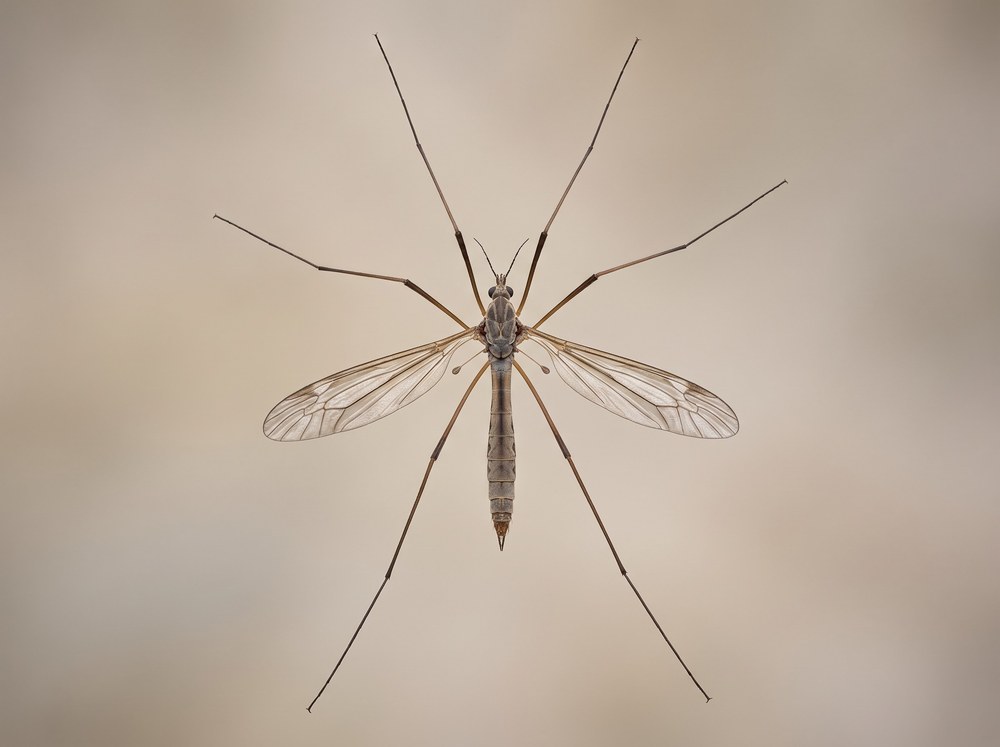
To deter crane flies, focus on reducing excess moisture in your lawn, turning off bright outdoor porch lights at night, and repairing torn window screens. These giant, spindly insects do not bite, sting, or spread disease to people or pets. While their sudden presence inside your home can feel alarming, they are entirely harmless visitors searching for damp soil or light. Simple physical barriers and outdoor lawn care will keep them away without the need for harsh chemicals, helping your living spaces stay peaceful and bug-free throughout the season.
Bite Symptom Checker
Check every symptom you're currently experiencing from the mark you found. Get a plain-English risk read.
Why are crane flies gathering near your home?
Crane flies thrive in damp environments where their larvae can feed on decaying grass, roots, and organic matter. If your yard holds excess water after rain or heavy watering, adult crane flies will naturally emerge nearby. They are weak fliers that often rest on exterior siding or patio doors to escape daytime heat.
At night, your outdoor security lights and bright windows draw them toward your entryways. Once a door swings open, they can stumble inside accidentally. Understanding that these insects seek moisture and light helps you choose simple, non-toxic ways to keep them outside where they belong without causing harm to your family.
What might you feel if a bug touches you?
Because crane flies lack biting mouthparts and venom, they cannot puncture human skin or cause pain. If one lands on your arm or leg, you will only feel the tickle of its long, fragile legs brushing against your skin. Their clumsy flying pattern often makes them bump into people, which can startle you even though it is completely safe.
If you notice an itchy welt, sudden redness, or sharp stinging pain, a different insect was the real cause. Mosquitoes, midges, and small biting flies often share the same damp outdoor areas and can bite your skin unnoticed while crane flies flutter nearby.
How long do these pests stay active around yards?
Adult crane flies live for only a few days to a couple of weeks, focusing entirely on mating and laying eggs in moist turf. You will usually see their numbers spike during mild, wet spring weeks or early autumn evenings. Their sudden abundance fades quickly on its own as their brief adult life cycle ends.
However, if you notice persistent skin bumps that grow redder or itchier over several days, watch those spots closely. True insect bites usually peak within two days and then calm down. Any skin mark that swells rapidly or oozes requires a closer look to rule out an infection.
Which biting insects look similar in your living spaces?
Many people confuse harmless crane flies with giant mosquitoes, but true biting mosquitoes are much smaller and carry needle-like mouthparts. Female mosquitoes pierce your skin to feed, leaving raised, itchy bumps within minutes. In damp grass, you might also cross paths with biting midges, gnats, or small spiders that produce uncomfortable skin reactions.
Because these biting bugs share the exact same shady, wet habitats as crane flies, it is easy to blame the largest insect you see. If your skin develops distinct red welts after outdoor activities, look closely at smaller flying pests that might be active around your lawn at dusk.
How can you track skin bumps and pest sightings at home?
Keeping a simple written log can help you make sense of skin reactions and indoor pest patterns. Whenever you spot a tender mark on your skin, write down the date, where you were sitting, and how your skin looks in natural light. You can also snap a quick photo each morning to check if swelling decreases.
Note what kinds of insects you notice around your doorways or patio lights during those same hours. Tracking your symptoms clearly gives your doctor helpful context if a mysterious skin spot becomes sore, inflamed, or fails to improve after several days of home observation.
What simple comfort steps soothe irritated skin?
If an unknown outdoor insect leaves an itchy bump on your skin, wash the area gently with mild soap and cool water. Applying a clean, damp cloth or a cold pack wrapped in a towel for ten minutes can ease burning sensations and reduce mild swelling. Keep your fingernails trimmed short to prevent accidental scratching.
Over-the-counter soothing lotions, like plain calamine or hydrocortisone cream, can also calm persistent itching when used as directed. Avoid harsh scrubbing, picking at scabs, or applying unverified household chemicals to your skin, as these actions can break the surface and invite secondary bacterial irritation.
When should you seek prompt medical attention?
While crane flies pose no health threat, bites from true outdoor pests can occasionally trigger unexpected allergic reactions or skin infections. Seek immediate emergency medical care if you experience trouble breathing, swelling in your throat, dizziness, or a widespread rash. These signs indicate a severe reaction that requires urgent professional treatment.
You should also contact a healthcare provider if a skin bump becomes increasingly hot, shows spreading red streaks, or leaks pus. Having your clinician examine persistent or painful skin changes ensures you receive an accurate diagnosis and appropriate medical care tailored to your specific needs.
What else might you want to know?
Do crane flies ever bite humans or pets?
No, crane flies cannot bite humans or family pets. They lack stingers and mouthparts capable of piercing skin. Most adult crane flies do not feed at all, while some only sip nectar. If you feel a painful pinch outdoors, a different biting insect is responsible for the mark.
What is the fastest way to get crane flies out?
The easiest way to remove a crane fly is to gently trap it under a wide cup and slide a stiff piece of paper underneath. You can then release it outdoors. Turning off interior lights and opening an exterior door will also encourage the insect to fly back outside naturally.