Will crane flies bite?
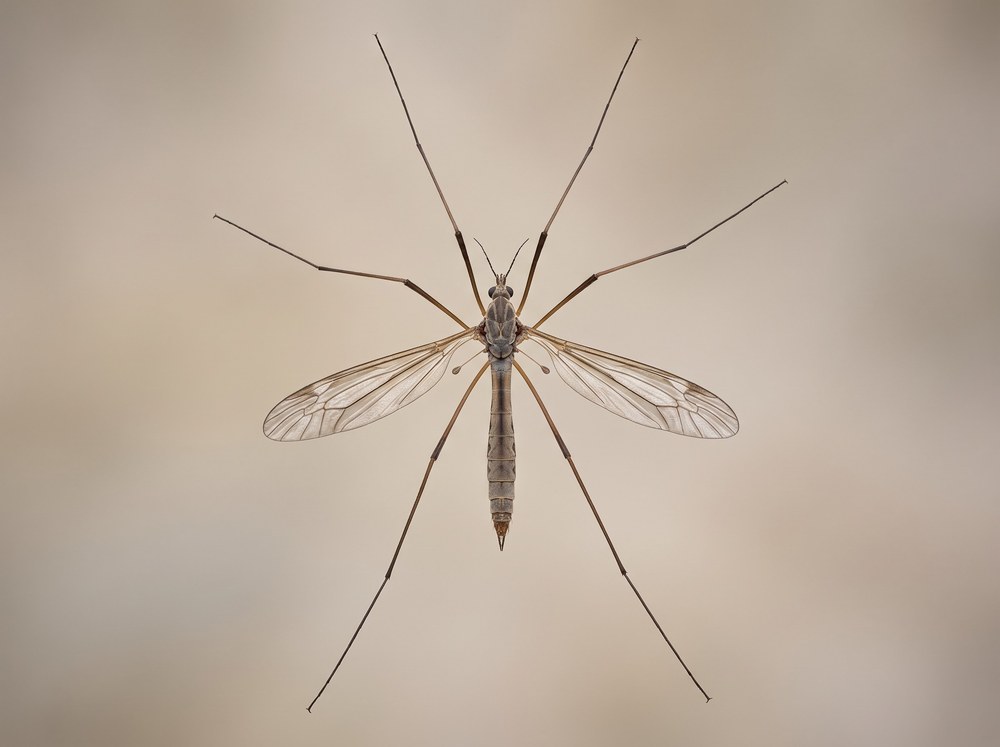
Crane flies do not bite humans or animals. Despite their large, gangly legs and resemblance to giant mosquitoes, adult crane flies lack the mouthparts required to pierce human skin, draw blood, or inject venom. Finding a fresh, itchy red bump on your arm or leg means another insect or common skin irritant caused it, even if you just watched a crane fly flutter nearby. Understanding how these gentle insects function can help ease your worries while you figure out what actually triggered your skin reaction.
Bite Symptom Checker
Check every symptom you're currently experiencing from the mark you found. Get a plain-English risk read.
Why are crane flies unable to bite people?
Adult crane flies belong to the insect family Tipulidae. Their anatomy makes it physically impossible for them to bite you or break through your skin. Most adults live for only a few days with the sole purpose of mating, and many species do not feed at all once they grow wings. Those that do drink liquid only sip plant nectar or plain water through soft, sponge-like mouth structures.
Because they possess no stingers, fangs, or biting jaws, they pose zero physical threat to your household or pets. People often call them mosquito hawks, but they do not prey on other bugs either. They are completely harmless visitors in your garden.
What might you feel if a bump appears?
If you notice an uncomfortable spot after spending time outdoors, your discomfort comes from a different source. A true insect bite often creates a raised pink or red welt that feels warm, itchy, or slightly tender when you brush against it. Some people develop a small, fluid-filled blister right at the center of the swelling.
Your skin might feel prickly or mildly irritated within minutes of contact. Mild redness around the spot is a normal immune reaction to foreign saliva or plant contact. You should expect the irritation to stay localized to that single patch rather than spreading quickly across your limb.
How long do typical skin reactions last?
Most minor bug bites or contact rashes follow a predictable timeline. You will likely see the swelling peak within the first twenty-four to forty-eight hours before it slowly fades away. The nagging urge to scratch usually calms down significantly after two or three days as your immune system settles.
Pay closer attention if the mark behaves differently over time. Redness that expands outward after several days, warmth that intensifies, or pain that steadily worsens rather than improves deserves a closer look. A typical reaction should look visibly better by the end of a week, leaving behind only faint discoloration that gradually clears from your skin.
Which pests or plants produce similar marks?
Since crane flies cannot harm you, another common outdoor trigger is almost certainly responsible for your mark. Standard mosquitoes thrive in the exact same damp, grassy environments that attract crane flies, making them the most frequent culprit behind itchy summer welts.
Other possibilities can easily surprise you during yard work or evening walks:
Tiny biting midges, fleas, or gnats that fly away before you spot them.
Spider nips or ant stings that leave small, tender bumps.
Contact with irritating weeds, rough brush, or hidden plant oils.
Minor allergic hives that appear suddenly without an obvious insect encounter.
- Tiny biting midges, fleas, or gnats that fly away before you spot them.
- Spider nips or ant stings that leave small, tender bumps.
- Contact with irritating weeds, rough brush, or hidden plant oils.
- Minor allergic hives that appear suddenly without an obvious insect encounter.
How should you track your symptoms at home?
Keeping a simple log helps you monitor changes accurately without guessing. Take a clear photograph of your skin mark in bright daylight when you first notice it. This gives you a dependable baseline so you can compare the size and color over the next two days.
You can also draw a light circle around the outer red edge using a washable pen. If the redness spreads well past your drawn line, you have clear evidence to share with a doctor. Note down any new feelings, such as developing a fever, unusual body aches, or increasing tenderness around your joint.
What gentle home care helps soothe your skin?
Simple, cautious steps can bring you fast relief without irritating the area further. Start by washing your skin gently with mild soap and cool water to remove any lingering dirt, saliva, or plant oils. Pat the surface dry with a clean towel instead of rubbing the delicate skin.
Applying a cool, damp washcloth or an ice pack wrapped in cloth for ten minutes helps reduce swelling and dulls the itch. Avoid scratching the bump, because breaks in your skin invite bacterial infections. Keep your fingernails clean and short, or place a clean adhesive bandage over the area to protect it from absentminded rubbing.
When does a skin mark require medical attention?
Most skin irritations heal smoothly on their own, but certain warning signs mean you should contact a healthcare provider. Reach out for medical advice if you notice yellow pus draining from the bump, dark red streaks traveling up your arm, or swelling that feels unusually hot and throbbing.
You should also seek prompt evaluation if your symptoms keep worsening after three full days or if you develop a widespread body rash. A licensed clinician can examine your skin in person, determine the real cause of your discomfort, and prescribe safe, targeted treatment to help you recover quickly without unwanted complications.
What else might you want to know?
Can crane flies sting your pets?
No, crane flies cannot sting your dog, cat, or any other pet. They completely lack stingers, venom glands, and sharp mouthparts. If your pet chases or swallows one, it will not cause toxic harm, though eating many bugs can sometimes cause a mild, temporary stomach upset.
Why do crane flies look like giant mosquitoes?
Crane flies belong to the same broad insect order as mosquitoes, which explains their similar long legs and slender bodies. However, their physical anatomy diverged completely. Crane flies evolved without the needle-like proboscis that female mosquitoes use to draw blood, making them entirely incapable of biting your skin.