Are crane flies good?
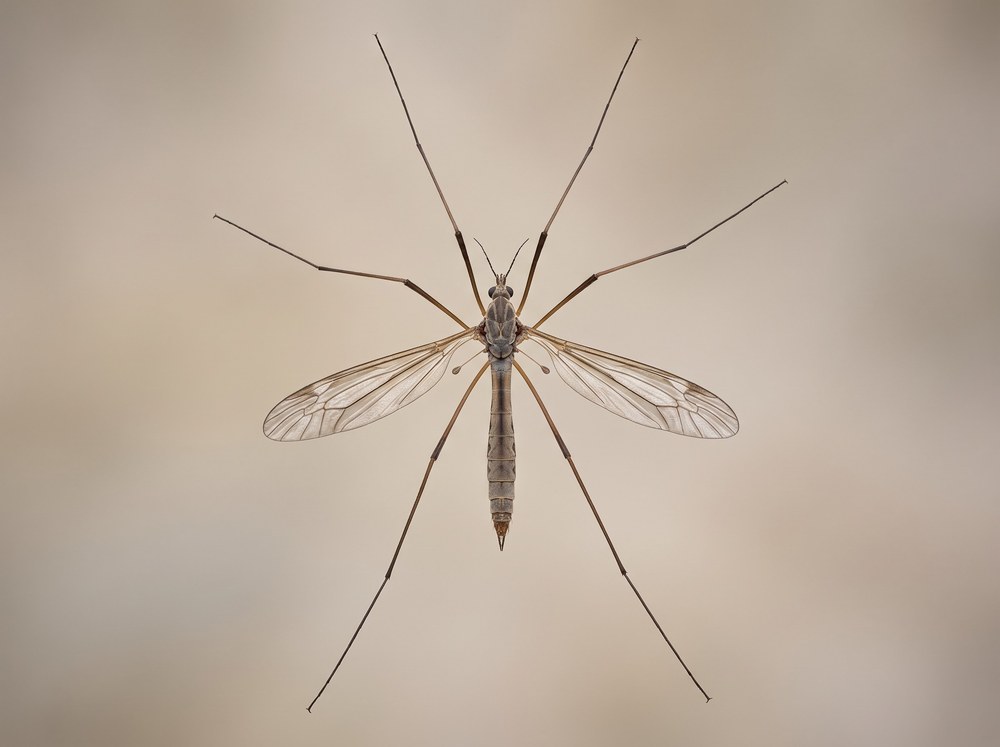
Yes, crane flies are good for your local environment, even if their long legs and large size make them look intimidating. Often mistaken for giant mosquitoes, these gentle insects do not bite, sting, or carry diseases that harm humans or pets. Instead, they serve as a vital food source for birds, bats, frogs, and fish. In their larval stage, they help break down decaying plant matter in rich soil. If you notice a painful red bump on your skin, a crane fly did not cause it.
Bite Symptom Checker
Check every symptom you're currently experiencing from the mark you found. Get a plain-English risk read.
Why are crane flies considered helpful insects?
Crane flies play a positive role outdoors because they support healthy backyard food webs. Many native songbirds, bats, and small mammals rely on adult crane flies for easy meals during the spring and summer months. When crane flies hatch in large groups, they offer abundant nourishment to wildlife caring for hungry young.
Underground, crane fly larvae feed on organic debris, leaves, and fungi. This natural process helps break down dead plant material and recycles nutrients back into your garden soil. Because adult crane flies lack functioning biting mouthparts, they pose zero physical threat to you, your children, or your household pets while they carry out these helpful ecological tasks.
What might you feel if you suspect an insect encounter?
Because crane flies cannot pierce human skin, you will never feel a pinch, puncture, or sting from one. If you brush against an adult crane fly, you will only feel light, fluttery wings or fragile legs that tickle slightly. They simply lack the physical anatomy needed to draw blood or inject irritating venom into your skin.
When people believe they have suffered a crane fly injury, they usually notice localized swelling, itching, or minor soreness caused by a different bug altogether. You might see a small pink bump or feel an annoying itch on your arms or legs, but that reaction came from another outdoor pest you did not see.
How quickly do typical bug bites change over time?
Most minor insect reactions develop within a few hours of outdoor exposure. You may first notice a tiny red dot that slowly swells into an itchy, firm welt over the course of an afternoon. For most healthy people, the peak irritation happens within the first twenty-four to forty-eight hours before gradually calming down.
Over the next several days, your skin should steadily improve. The redness usually shrinks, swelling recedes, and itching fades away without complicated care. However, if you observe an area that expands rapidly, turns darker red, feels unusually hot, or oozes after two full days, your skin deserves a much closer look for potential secondary infection.
Which other insects could explain your skin reaction?
Since crane flies never bite, other common outdoor insects are almost always the true culprits behind sudden skin spots. True mosquitoes look quite similar to crane flies from a distance, but they possess sharp mouthparts that easily pierce skin to feed, leaving behind classic raised, puffy welts that itch intensely.
You might also have crossed paths with biting midges, small gnats, fleas, or spiders while working in your yard. Biting flies can leave sharp, painful marks that look much larger than ordinary mosquito bumps. Because many flying bugs share the same humid, grassy habitats as crane flies, it is easy to confuse which creature actually landed on your skin.
How can you monitor an unusual bump at home?
Tracking a mysterious skin mark helps you decide whether it is resolving on its own or needs medical attention. Start by taking a clear, well-lit photo of the spot each morning to see subtle changes over time. You can gently draw a circle around the outer red edge with a skin-safe pen to monitor whether redness spreads.
Keep a simple daily note about your physical comfort. Write down whether the itch is decreasing or if you feel new warmth, throbbing pain, or body aches. Sharing these simple observations and photos helps your healthcare provider evaluate your skin if the mark fails to improve over several days.
What simple steps soothe mild skin irritation?
If you have an itchy spot from an unidentified bug, start with gentle hygiene. Wash your skin thoroughly with mild soap and cool water to remove dirt and reduce surface bacteria. Pat the area dry with a clean towel rather than rubbing roughly, which can aggravate inflamed skin and worsen your discomfort.
Applying a cold, damp cloth or a wrapped ice pack for ten minutes can quickly numb the itch and reduce swelling. Over-the-counter hydrocortisone cream or soothing calamine lotion can also provide temporary relief for your skin. Try your best to avoid scratching, since broken skin allows everyday bacteria to enter and cause troublesome skin infections.
When should you seek prompt medical attention?
While most bug bites remain mild, certain symptoms require quick medical care. You should contact a doctor if you notice red streaks spreading outward from the bump, increasing heat, thick yellow discharge, or if you develop a fever. These signs suggest a bacterial infection has entered the wound and may need prescription treatment.
Seek emergency medical help immediately if you experience signs of a severe allergic reaction after being outdoors. These include sudden tightness in your chest, trouble breathing, swelling around your lips, tongue, or eyelids, dizziness, or widespread hives. A qualified healthcare clinician can quickly evaluate your symptoms and provide safe, effective care to protect your health.
What else might you want to know?
Do crane flies damage your lawn or garden plants?
Most adult crane flies do not eat at all, living only a few days to mate. While large populations of larvae can occasionally nibble grass roots in damp turf, they rarely cause severe damage to healthy lawns and mostly contribute to building rich, fertile garden soil.
Can crane flies transmit harmful diseases to people?
No, crane flies cannot transmit diseases to humans or pets. Because they do not feed on blood or bite skin, they cannot carry blood-borne viruses or parasites. Finding them resting on your walls or windows is completely harmless to everyone in your household.