Do crane flies carry diseases?
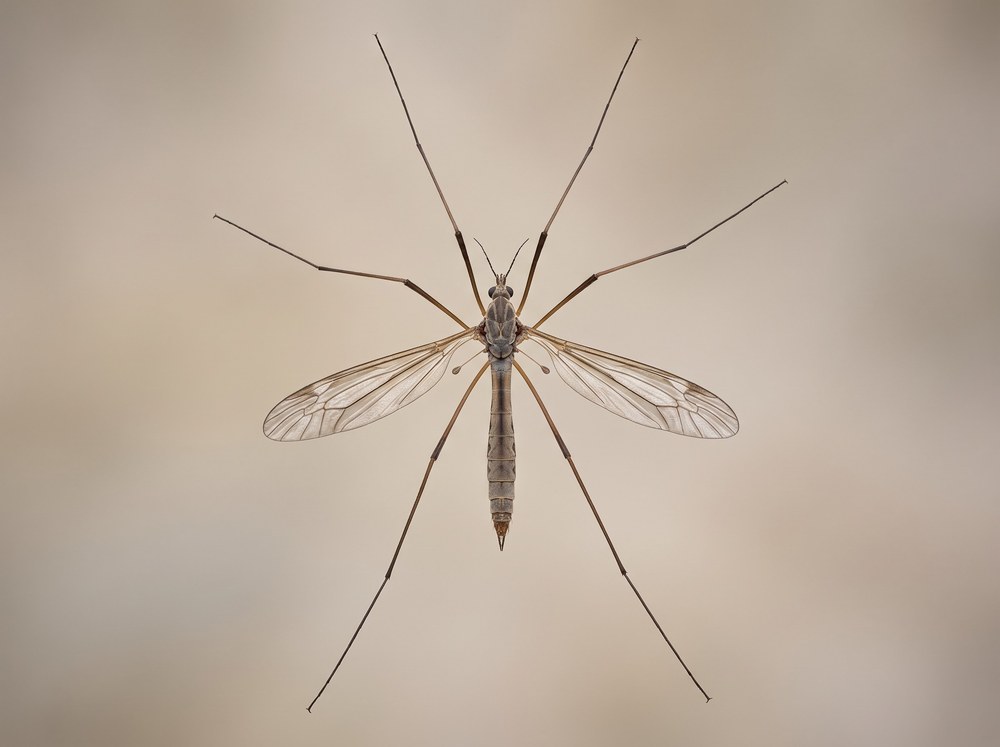
Crane flies do not carry diseases that make humans or household pets sick. Despite their large size and resemblance to giant mosquitoes, these gentle insects cannot spread pathogens, bacteria, or viruses to people. They completely lack the mouthparts required to pierce human skin, meaning they cannot bite you or draw blood. If you notice a painful red welt or feel unwell after spending time outdoors, your symptoms come from another insect or an unrelated skin irritant rather than any crane fly you recently spotted nearby.
Bite Symptom Checker
Check every symptom you're currently experiencing from the mark you found. Get a plain-English risk read.
Can a crane fly make you sick?
A crane fly cannot transmit illnesses to your body. In the insect world, diseases spread when a bug feeds on blood, injects saliva, or leaves contaminated droppings on broken skin. Crane flies do none of these things because their bodies are simply not built for biting.
Adult crane flies live for only a few days with the sole purpose of mating. Most do not even feed as adults, while some only sip small drops of water or flower nectar. Finding one in your home might feel startling, but the insect poses zero medical risk to your household.
What skin changes might you notice?
If an actual biting insect got onto your body, you may see a raised red bump, mild swelling, or localized puffiness. The area might itch intensely, feel slightly warm, or look like a small pink circle against your skin.
Because crane flies cannot bite, any visible puncture mark or irritated spot on your arm or leg was made by something else. True bug bites usually create a tiny central dot surrounded by mild inflammation. You might also experience mild tenderness if your clothing rubs against the swollen tissue throughout the day.
How quickly do bug reactions develop?
Most minor insect reactions appear within minutes to a few hours after contact. You might notice itching right away, with a small bump peaking in size over the first full day before gradually fading away over three to five days.
A normal skin reaction should steadily improve instead of getting worse. If your mark continues to expand after two days, develops spreading redness, or becomes increasingly hot to the touch, your body may be reacting to an infection. Watching the timeline closely helps you decide when home care is no longer enough.
Which other insects could cause your reaction?
Several common backyard insects look small or sneak past unnoticed while leaving itchy marks on your skin. True mosquitoes, biting midges, and gnats frequently bite outdoors and produce the classic itchy bumps people mistakenly blame on nearby crane flies.
Other outdoor hazards can also mimic an insect bite on your skin. Brushing against stinging nettles, poison ivy, or rough plant thorns can create sudden red patches, hives, or tiny blisters. Spiders, fleas, and bedbugs also create small welts that might easily confuse you if you only noticed harmless crane flies flying around.
How can you monitor your skin at home?
You can track your skin changes simply by taking a clear photo in good lighting each morning. Having a daily visual record allows you to compare the size, color, and swelling without relying on your memory alone.
Another helpful trick involves taking a clean pen and gently drawing a thin line around the outer edge of any red border. If the redness spreads significantly past your drawn circle over the next twelve hours, that growth gives you a clear reason to contact a healthcare professional for an evaluation.
What simple comfort steps help soothe skin?
Caring for an irritated spot begins with gently washing the area using mild soap and cool water. Keeping your skin clean helps wash away surface bacteria and lowers the chance of developing a secondary skin infection from accidental scratching.
Applying a cold, damp cloth or an ice pack wrapped in a soft towel for ten minutes can quickly ease swelling and reduce annoying itchiness. Try your best to avoid scratching the bump, as tearing the skin with your fingernails introduces germs and delays your body's natural healing process.
When should you seek immediate medical care?
While mild irritation is common from real bug bites, certain severe symptoms require prompt emergency attention. If you develop sudden trouble breathing, wheezing, dizziness, or swelling around your lips, tongue, or throat, call for emergency medical help immediately.
You should also see a doctor promptly if you notice expanding red streaks moving up your limb, thick yellow fluid leaking from the spot, or an unexplained fever. These signs suggest a bacterial infection that requires proper medical evaluation and prescription treatment from a qualified doctor.
What information should you share with a clinician?
When you speak with a clinician, explain exactly when you first noticed the skin mark and how quickly the spot has changed. Mention whether your symptoms include deep throbbing pain, spreading heat, fever, or body aches that started after being outdoors.
Share details about your recent activities, such as yard work, hiking in tall brush, or traveling away from home. Tell the doctor about any home treatments you already tried, along with your current medications and known allergies, so they can provide the best care for your situation.
What else might you want to know?
Can crane flies contaminate food in your kitchen?
Crane flies do not feed on human food or garbage, so they do not spread illness to your meals. Unlike common houseflies that land on waste and walk across countertops, a stray crane fly indoors is simply lost and poses no risk of food poisoning to your family.
Are crane flies dangerous to dogs and cats?
Crane flies are completely harmless to your household pets. They carry no blood-borne parasites, venom, or toxic chemicals. If your cat or dog catches and eats one of these insects, it may cause mild stomach upset from the dry wings, but it will not transmit any infectious disease.