Do crane flies bite humans?
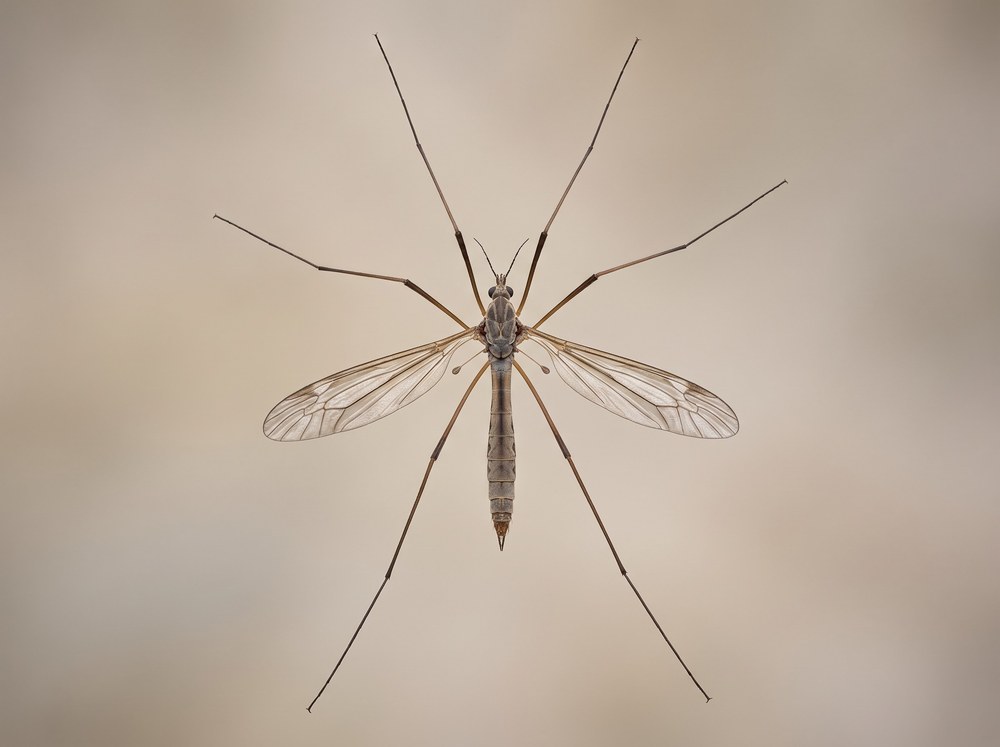
No, crane flies do not bite humans. Despite their giant size and mosquito-like appearance, adult crane flies lack the mouthparts required to pierce human skin, suck blood, or deliver venom. They are completely harmless insects that spend their brief adult lives looking for a mate or drinking tiny amounts of plant nectar. If you discover an itchy red bump or a painful welt on your skin, another outdoor bug or a mild skin irritation is responsible, so there is no reason to fear these fragile flying visitors.
Bite Symptom Checker
Check every symptom you're currently experiencing from the mark you found. Get a plain-English risk read.
Why are crane flies unable to bite you?
Adult crane flies have soft, fragile mouthparts designed only to lap up occasional moisture or plant fluids. They have no stingers on their bodies, and their jaws cannot break through your outer skin layer at all. Many species do not even feed as adults because their only goal is mating before their short life ends.
Because these insects lack venom glands and biting mouthparts, they cannot inject toxins or spread diseases to your family. When one lands on your arm, it might feel tickly or startling due to its long legs, but it cannot harm your body in any physical way.
What are you actually feeling on your skin?
If you feel sudden pain, itching, or soreness outdoors, something else touched your skin. A real insect bite often feels like a sharp pinch followed by a warm, tender swelling. You might notice a raised red spot that throbs slightly or itches intensely as your immune system reacts to foreign saliva.
Sometimes brushing against rough plant leaves, dry grass, or prickly weeds produces tiny scratches that feel just like a bug attack. Take a close look at your skin in bright light so you can see whether you have a raised bump, an open scrape, or simple surface redness from contact.
How quickly do skin reactions usually change?
Most minor insect bites and plant irritations start to itch within a few minutes or hours after exposure. The small swelling typically reaches its peak size during the first day and then slowly calms down over the next several days as your body clears the harmless irritation.
You should pay closer attention if the red zone expands rapidly after the second day. Normal mild reactions shrink steadily with time, but spreading warmth, hardening skin, or increasing tenderness suggests that your skin might need a doctor's evaluation for an infection rather than standard home comfort care.
Which other insects might cause your symptoms?
Many common backyard creatures look small or fly unnoticed while leaving behind itchy marks on your skin. Because crane flies often hang around grassy yards, other insects living in the exact same spots are frequently the true culprits behind unexpected bites.
The following common pests frequently cause sudden skin marks:
Female mosquitoes that pierce skin to draw blood in shaded areas.
Biting midges or gnats that leave tiny, intensely itchy red dots.
Small spiders or ants hiding within lawn turf and patio furniture.
Fleas or mites that brush onto your ankles from tall grass.
- Female mosquitoes that pierce skin to draw blood in shaded areas.
- Biting midges or gnats that leave tiny, intensely itchy red dots.
- Small spiders or ants hiding within lawn turf and patio furniture.
- Fleas or mites that brush onto your ankles from tall grass.
How can you track your skin marks at home?
Keeping a simple record helps you watch for improvements without guessing. You can take a clear, well-lit photo of the spot each morning to see if the borders are shrinking or spreading. Noting when you first felt the itch gives your doctor helpful context if you ever seek advice.
Gently draw a light circle around the red edge with a clean pen if the swelling looks wide. This quick outline lets you verify whether the redness is staying safely inside the lines or expanding outwards across your skin as the hours pass.
How can you soothe irritated skin safely?
Start by washing the affected area gently with mild soap and cool water to remove outdoor dirt. You can press a clean cloth wrapped around an ice pack against your skin for ten minutes at a time to reduce swelling, dull burning sensations, and calm nagging urges to scratch.
Keep your fingernails short and clean so you do not break the skin surface if you rub the area during sleep. Over-the-counter soothing lotions or cold compresses offer gentle comfort, but you should avoid harsh chemicals, unverified home mixtures, or aggressive scrubbing that might inflame your delicate skin.
When should you seek prompt medical attention?
Most outdoor bumps heal smoothly on their own, but certain red flags require professional medical care. Seek prompt clinical help if you notice expanding red streaks, oozing yellow pus, cloudy fluid blisters, or a fever developing alongside your skin lesion, as these signs point toward a possible bacterial infection.
Immediate emergency care is vital if you experience sudden dizziness, wheezing, swelling around your lips or tongue, or tight throat sensations. Severe allergic responses can escalate within minutes, making fast emergency assistance necessary to protect your airway and overall health.
What else might you want to know?
Are crane flies poisonous or dangerous to pets?
Crane flies are not poisonous to humans, cats, or dogs. They carry no venom and do not sting. If your pet catches and eats a crane fly, it might cause mild stomach upset from the insect wings, but it will not cause toxic poisoning or lasting harm.
Why do crane flies look so much like giant mosquitoes?
Crane flies belong to the same broad insect order as mosquitoes, sharing long slender legs and narrow wings. However, crane flies belong to a completely different insect family. Their large bodies evolved purely for harmless flight and mating, entirely lacking mosquito mouthparts that feed on blood.