Are crane flies harmful?
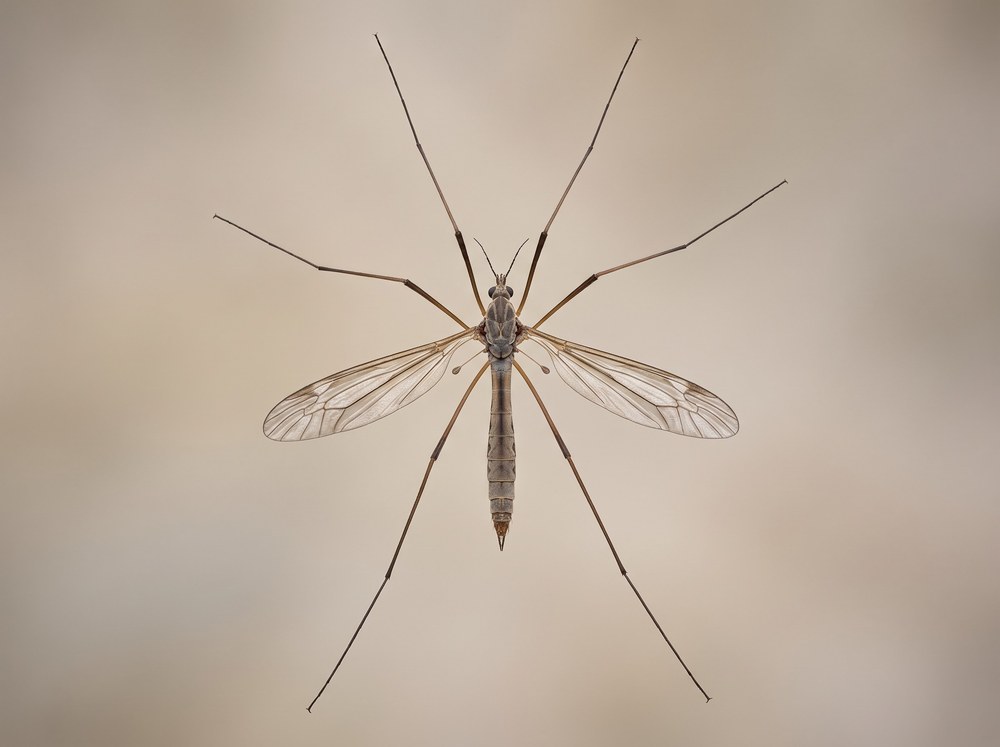
Crane flies look like giant mosquitoes, but they are completely harmless insects that cannot bite or sting you. They lack biting mouthparts and carry no venom. However, if you notice an itchy red bump or pain on your skin, another bug might have bitten you while you were outdoors. You do not need emergency care for a simple, painless encounter. If you develop sudden swelling, intense pain, or body-wide symptoms, you should consult a healthcare professional to check what actually caused the problem.
Should You See a Doctor?
A short decision tree based on CDC and Mayo Clinic guidance.
1 / 3 Is there swelling in your face, lips, tongue, or throat, or any trouble breathing or swallowing?
2 / 3 Is the redness spreading rapidly, feeling hot, or paired with fever or chills?
3 / 3 Has the mark been getting steadily worse for more than 48 hours with no improvement?
Do you need urgent care right now?
Finding an oversized fly near your bed or couch can be startling, but these creatures cannot pierce human skin or inject toxins. If you simply saw one land on you, there is no medical reason to rush to a clinic. Your skin should stay completely normal without any special treatment.
On the other hand, finding a tender, swollen spot means another bug likely bit you instead. You only need urgent attention if you develop trouble breathing, lightheadedness, or sudden facial swelling. Otherwise, you can comfortably take a moment to evaluate your symptoms at home before deciding on a doctor's visit.
How do you tell a mild mark from a serious reaction?
A typical nuisance insect bite creates a small, slightly itchy red bump that stays confined to one spot. You might notice minor puffiness that settles down within a few hours or a couple of days. These everyday skin reactions are common and rarely dangerous.
You should seek prompt medical guidance if the redness spreads rapidly across several inches of your skin. Warmth radiating from the area, worsening tenderness, or red streaks extending outward suggest a developing skin infection. When discomfort prevents you from sleeping or walking normally, having a clinician evaluate the mark is a smart choice.
What changes should you watch for over the next few days?
Keeping a calm eye on your skin over the next forty-eight hours helps ensure everything heals smoothly. Most ordinary insect bites gradually shrink, fade in color, and stop itching after several days. Using a standard pen to trace around any red area makes it easy to spot unwanted expansion.
Contact your doctor if the spot begins oozing yellow pus, crusting over, or swelling larger after two days. Developing a fever, body aches, or chills also means your body is fighting something more serious than a minor irritation. Watching these subtle changes protects your health without causing unnecessary worry.
Can personal health factors change your risk level?
Every person reacts differently to outdoor bug encounters, so your general health history plays an important role. Young children and older adults often have sensitive skin that swells significantly from minor contact. They may need closer observation to prevent secondary infections from frequent scratching.
Having a compromised immune system, diabetes, or poor circulation can also slow your natural healing response. If you are pregnant or manage a chronic illness, an expanding skin reaction warrants a quick call to your doctor. Sharing your medical background helps your provider choose the safest, most effective guidance for your specific situation.
What safe home steps can you take right away?
Starting with simple hygiene is always the safest way to soothe irritated skin. Wash the area gently with mild soap and cool tap water to remove any lingering dirt. Pat your skin dry with a clean towel instead of rubbing the delicate surface.
Applying a cold pack wrapped in cloth for ten minutes helps ease mild itching and reduces localized puffiness. Keep your fingernails trimmed short so you do not accidentally break the skin if you scratch in your sleep. Avoid popping blisters or squeezing bumps, as forceful pressure increases your risk of introducing bacteria.
Which red flag symptoms require immediate emergency help?
Severe allergic reactions require immediate emergency care. If you experience tightness in your chest, wheezing, or difficulty swallowing, call for an ambulance right away. Swelling around your lips, tongue, or eyes signals a systemic issue that needs rapid medical intervention.
You should also seek immediate assistance if you feel suddenly dizzy, faint, or confused after a suspected bite. An abrupt, spreading rash across your entire body is another clear sign to call emergency services. Acting promptly during a severe reaction ensures you receive proper breathing support and essential medications without delay.
What details should you share with your healthcare provider?
Providing clear background details helps your doctor assess your situation much faster. Note exactly when you first noticed the skin change, where you were spending time outdoors, and how quickly the spot grew. Clear, well-lit photos taken each morning can show your provider how the mark changed over time.
Be ready to describe your current symptoms, including burning sensations, deep throbbing, or fever. Bring an up-to-date list of your regular medications and known allergies to your appointment. These specific clues allow your clinician to make informed decisions about whether you need prescription treatment or simple reassurance.
What else might you want to know?
Can crane flies bite your pets?
No, crane flies cannot bite your dogs, cats, or other pets. They do not possess stingers, venom, or jaws capable of breaking animal skin. If your pet shows swelling, discomfort, or excessive scratching, another pest like a flea, tick, or spider is the likely cause.
Why do crane flies look so much like giant mosquitoes?
Crane flies belong to a closely related insect family, which gives them long legs and slender bodies. Despite this startling resemblance, adult crane flies do not feed on blood. Many adult species drink only nectar or water, while others do not eat at all during their brief lives.