Why do crane flies fly at you?
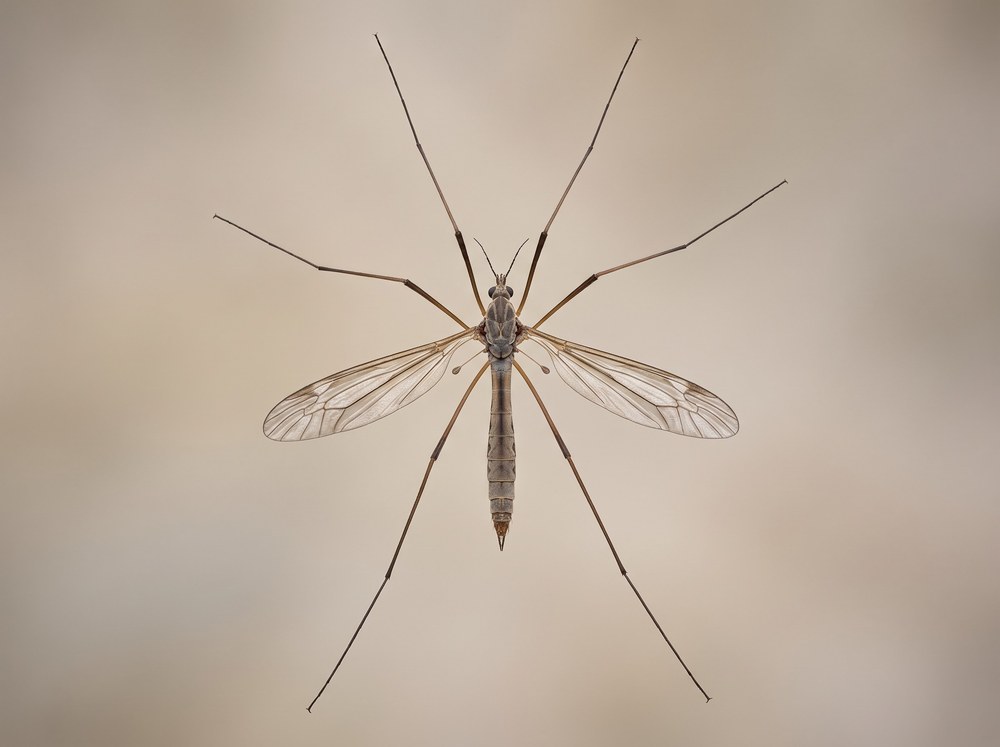
Crane flies often seem to fly right at you because they are clumsy, weak fliers drawn to lights, warmth, and open movement. They do not target humans, nor do they bite or sting. However, if you felt a sudden pinch or noticed a new, tender mark on your skin after an outdoor encounter, another insect might have bitten you while you were focused on the crane fly. Understanding what truly happened helps you stay calm and decide whether your skin mark needs any extra medical attention.
Should You See a Doctor?
A short decision tree based on CDC and Mayo Clinic guidance.
1 / 3 Is there swelling in your face, lips, tongue, or throat, or any trouble breathing or swallowing?
2 / 3 Is the redness spreading rapidly, feeling hot, or paired with fever or chills?
3 / 3 Has the mark been getting steadily worse for more than 48 hours with no improvement?
Should you worry if an insect flies directly toward you?
A flying bug bumping into your face or arms can feel startling, but it does not mean you face immediate danger. Crane flies have long, fragile legs and unsteady flight patterns, making them bump randomly into walls, lights, and people without any aggressive intent.
If you do not have any pain, itching, or swelling, you do not need medical evaluation. However, if you feel a sharp sting or discover a painful red bump, a different insect in the area may have bitten you. Watching how your body feels over the next hour will help you decide if you need professional care.
How can you tell a harmless bump from a risky reaction?
Most minor bug bites create tiny, itchy spots with light pink swelling that stays confined to a small patch. These everyday reactions usually settle down within a couple of days and cause only mild irritation rather than deep discomfort.
You should seek prompt medical guidance if your skin develops rapidly spreading redness, intense warmth, or severe swelling around the area. If your pain grows much worse instead of fading, or if you notice blistered patches forming, a doctor can check whether an infection or a more venomous insect bite needs specific prescription treatment.
What changes should you watch for over the next few days?
Pay attention to how your skin looks and feels as the hours pass. A normal reaction should gradually calm down, showing less swelling and fading color. Drawing a light circle around any red area with a pen can help you track whether the mark expands over time.
Contact a healthcare clinic if you notice spreading red streaks, pus draining from the center, or a localized fever near the skin. You should also reach out to your doctor if new symptoms appear days later, such as body aches, chills, or tender lymph nodes near the affected limb.
Do existing health conditions change your next steps?
Certain personal health factors can make insect bites riskier, even when they look small at first. If you have diabetes, poor circulation, or an underlying condition that weakens your immune system, minor skin breaks can develop bacterial infections more quickly than usual.
Age and pregnancy also play an important role in how your body handles unexpected skin wounds. Young children and older adults often need earlier evaluation if swelling spreads rapidly. When you manage a chronic illness, speaking with your regular provider gives you safe guidance tailored directly to your overall medical history.
What safe steps can you take right now at home?
Begin by washing your skin gently with plain mild soap and cool tap water to remove surface dirt. Pat the skin dry with a clean towel rather than rubbing, which can irritate sensitive spots and make swelling worse.
Applying a cold pack wrapped in a clean cloth helps calm burning sensations and reduce puffiness. Keep your nails short and avoid scratching the area, because broken skin opens the door to outside bacteria. Never squeeze, pierce, or apply harsh household chemicals to unexplained marks while you wait to see your doctor.
What emergency signs mean you need immediate help?
Some insect encounters trigger rapid, severe allergic reactions that require emergency treatment right away. You must seek urgent medical help if you experience sudden tightness in your chest, wheezing, or trouble catching your breath after spending time outdoors.
Other critical warning signs include visible swelling of your lips, tongue, or throat, feeling dizzy or lightheaded, sudden confusion, or nausea accompanied by hives across your body. Do not attempt to drive yourself if you feel faint or short of breath; call for emergency medical transport so trained responders can assist you immediately.
What details should you share with your healthcare provider?
Clear information helps your clinician evaluate your symptoms more accurately during an appointment. Tell them exactly when you first noticed the mark, where you were spending time outdoors, and how quickly your symptoms began changing after the incident occurred.
Taking clear photos of your skin in good lighting each day allows your doctor to see whether the swelling has expanded. Be ready to share a list of your current medications, any known allergies, and whether you tried over-the-counter creams before your visit so your provider can choose safe treatments.
What else might you want to know?
Can a crane fly bite or sting human skin?
No, crane flies cannot bite or sting you. They lack stinging organs and possess mouthparts that cannot pierce human skin. If you develop a painful welt after seeing one, another bug such as a mosquito, gnat, or spider likely caused your skin irritation.
Why do crane flies gather around porch lights and doors?
Crane flies use natural light sources to orient themselves during flight, so bright artificial porch bulbs easily disorient them. When you open an exterior door, the indoor illumination and trapped heat pull them inside, making them flutter clumsily around your living spaces.