Do crane flies bite?
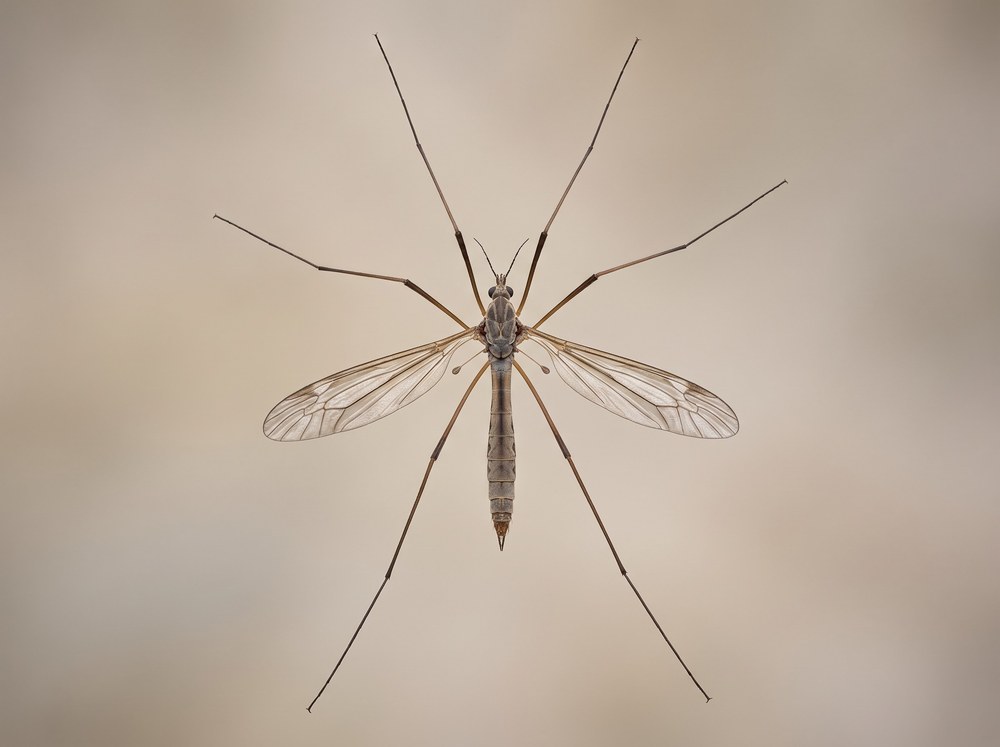
Crane flies do not bite humans or animals. Although their long legs make them look like giant mosquitoes, adult crane flies lack the mouthparts required to pierce your skin, draw blood, or inject venom. If you notice an itchy red bump or a painful mark on your body, a different insect or spider caused it. Most minor insect bites heal well with simple home care, but you should always monitor any unusual skin reaction closely to make sure it does not become infected or trigger a serious allergic response.
Should You See a Doctor?
A short decision tree based on CDC and Mayo Clinic guidance.
1 / 3 Is there swelling in your face, lips, tongue, or throat, or any trouble breathing or swallowing?
2 / 3 Is the redness spreading rapidly, feeling hot, or paired with fever or chills?
3 / 3 Has the mark been getting steadily worse for more than 48 hours with no improvement?
Should you worry if a crane fly lands on you?
A crane fly landing on your arm might give you a quick scare, but these delicate insects are entirely harmless. They cannot sting, pinch, or transmit harmful diseases to you or your family. You do not need to rush to a clinic simply because one of these bugs touched your bare skin.
When you notice an unexplained, painful bump, the mark came from another pest like a true mosquito, flea, or mite. You only need urgent evaluation if your skin shows intense swelling, spreading heat, or signs of an unexpected whole-body allergic reaction.
How can you tell a mild skin reaction from an infection?
A standard bug bite usually forms a small, itchy bump that stays localized and fades over a few days. You might see minor redness and feel slight tenderness, but the surrounding tissue should remain soft and calm.
Warning signs develop when the red area expands outward, feels noticeably hot, or leaks cloudy fluid. If your skin grows increasingly tight, throbbing, or extremely tender to light touch, you may be dealing with a secondary bacterial infection. These worsening changes mean you should have a medical provider examine the area promptly.
What symptoms should you monitor over the next few days?
Keeping a close eye on your skin over the next forty-eight hours helps you spot complications early. Check the size of any red spot twice daily to see if it remains stable or begins spreading across your limb.
Watch for new warmth, increased swelling, or red streaks traveling toward your heart. You should also pay attention to how your entire body feels. Developing a sudden fever, body aches, chills, or swollen lymph nodes indicates that your body is fighting off something more than a simple surface irritation.
Can personal health factors change your level of risk?
Your overall health plays a major role in how quickly any mysterious skin wound heals. People living with diabetes, poor circulation, or weakened immune defenses face higher odds of developing serious bacterial infections from tiny scratches.
Age and pregnancy also matter when you evaluate an irritated bite. Young infants and older adults have thinner skin that breaks easily from scratching, which lets surface germs enter. If you manage a chronic medical condition and notice rapidly growing redness or intense pain, contact your doctor sooner rather than later for personalized guidance.
What safe home steps can you take right away?
Starting with gentle first aid helps soothe irritated skin while you figure out the underlying cause. Wash the tender area thoroughly with mild soap and lukewarm water to remove lingering surface dirt and bacteria.
Apply a clean, damp cloth wrapped around ice for ten minutes at a time to reduce swelling and dull sharp itching. Keep your fingernails trimmed short so you do not tear the skin while resting. Avoid harsh chemicals, kerosene, or unproven remedies that could easily damage your delicate skin barrier.
What emergency warning signs require immediate care?
While crane flies pose zero danger, bites or stings from other outdoor creatures can occasionally trigger life-threatening allergic emergencies. You must seek immediate emergency medical care if you develop sudden difficulty breathing, throat tightness, or hoarseness.
Other critical warning signs include visible swelling of your lips, tongue, or eyelids, along with sudden dizziness, confusion, or fainting. A widespread rash of raised hives paired with nausea or a rapid heartbeat requires urgent attention. Do not attempt to drive yourself if you experience these severe body-wide symptoms.
What details should you share with your healthcare provider?
Providing clear background information helps your clinician make an accurate assessment during an examination. Take sharp, well-lit photos of your skin mark each morning so your doctor can track subtle changes in size and color over time.
Note the exact day you first noticed the irritation, your recent outdoor activities, and any home treatments you already tried. Be sure to list your current prescription medications and allergies. Remember that a visual skin exam alone cannot prove which insect was responsible for your mark.
How can you prevent insect bites around your home?
Minimizing insect exposure around your house protects your skin from biting pests that share habitats with harmless crane flies. Inspect window screens and exterior doors, repairing any small tears that allow flying insects to enter your living spaces.
Empty standing water from flowerpots, bird baths, and clogged gutters every week to disrupt mosquito breeding cycles. When spending extended evenings in your yard, consider wearing loose, long-sleeved clothing. Using an approved insect repellent on exposed skin will further reduce your chances of uncomfortable bites outdoors.
What else might you want to know?
Do crane flies eat mosquitoes around your yard?
Despite the popular nickname mosquito hawk, adult crane flies do not eat mosquitoes. Most adult crane flies do not eat at all, living only a few days to reproduce. A few species sip flower nectar, making them completely harmless to both humans and garden pests in your yard.
Are crane flies poisonous if my pet eats one?
Crane flies carry no poison, venom, or harmful toxins. If your curious dog or cat catches and swallows one, it will not cause internal poisoning. Eating multiple insects might cause temporary stomach upset, but the insect itself poses no medical danger to your pets.