Are crane flies harmless?
Yes, crane flies are completely harmless to humans and household pets. Despite their oversized legs and resemblance to giant mosquitoes, adult crane flies do not possess biting mouthparts or venomous stingers. They cannot pierce your skin, inject toxins, or transmit bloodborne diseases. If you notice an itchy, raised red mark after spending time outdoors, something else caused the irritation. Examining your surroundings carefully helps you figure out whether another common insect, a rough plant, or a minor skin reaction is the true culprit behind your discomfort.
Which Bug Bit Me?
Not sure it was really a crane fly? Answer three questions and we'll narrow the list.
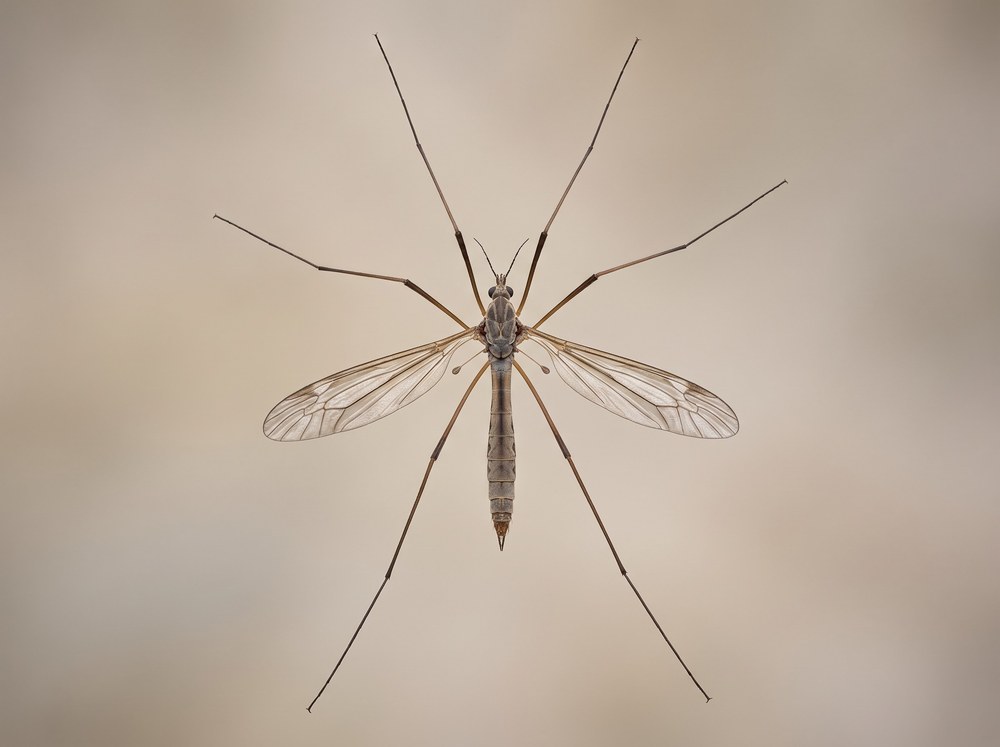
Can a crane fly actually bite you?
Adult crane flies cannot bite you under any circumstances. Their delicate mouthparts are designed strictly for sipping nectar, liquid moisture, or nothing at all during their brief adult lives. They lack jaws sharp enough to break skin, and they carry no venom glands.
When people find unexplained red bumps on their skin, they often blame the large, gangly insect they just saw flying nearby. However, a skin mark alone cannot reveal what touched you. Pinpointing a cause from appearance alone is rarely possible because many outdoor irritants leave nearly identical marks on human skin.
What visible clues should you look for?
If you discover a new skin mark, check the area under good lighting to evaluate its basic characteristics. Look for a tiny central puncture, widespread redness, or a raised, fluid-filled bump. You can also note whether the skin feels warm or looks dry and scaly.
Observing your skin closely gives you helpful clues to share with a doctor if needed. Still, you should never treat these clues as absolute proof of a specific bug. Many unrelated irritants, from nettles to midges, produce nearly matching bumps on your arms or legs.
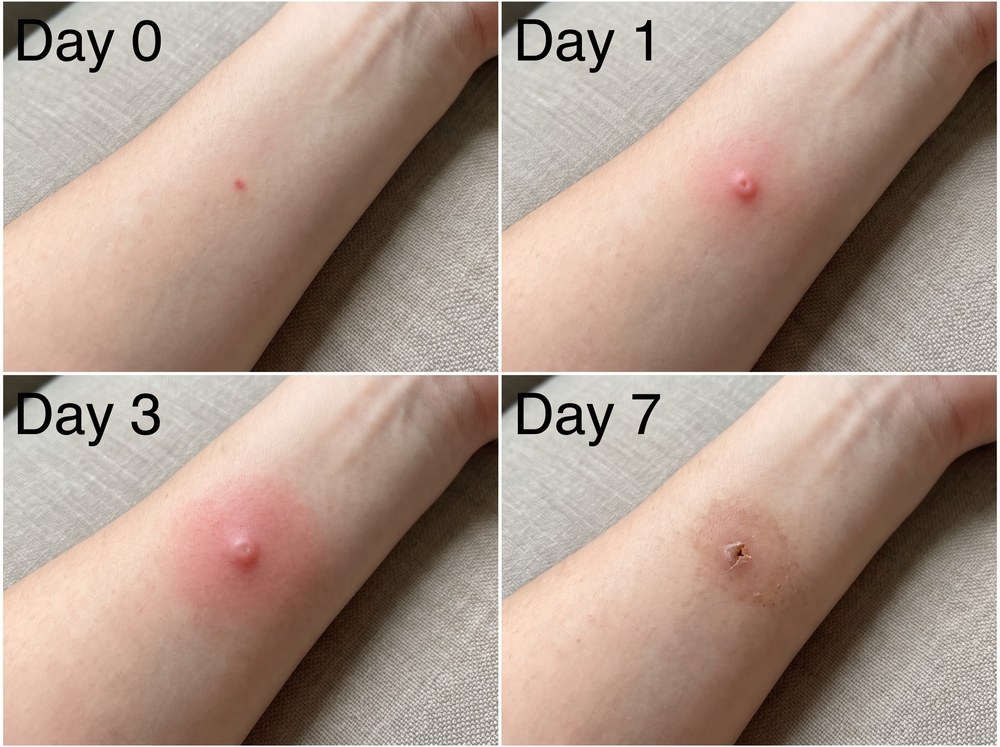
How do common skin bumps change over time?
Most mild reactions to outdoor irritants reach their peak within a few hours before slowly fading. You might notice slight swelling, pale centers, or mild itching during the first day. Over the next few days, your body naturally calms the localized inflammation.
Normal healing usually means the redness shrinks and any discomfort steadily decreases. If you notice an area that expands rapidly, turns intensely painful, or begins weeping cloudy fluid after several days, your skin may have developed a secondary bacterial issue rather than a simple, fading bug irritation.
Which bugs or plants look similar?
Because crane flies cannot harm you, another backyard pest or plant probably caused your itchy spot. Several common outdoor culprits create small, uncomfortable bumps:
True mosquitoes, biting midges, and small gnats often leave itchy red welts that appear quickly. Fleas or bedbugs can cause tiny clustered marks along your ankles or waistline. Contact with prickly weeds, poison ivy, or rough garden brush can also trigger sudden, itchy blotches that mimic insect bites.
How can you track your skin's healing?
Tracking your skin changes provides clear information if you later decide to consult a medical provider. Take a clear photograph in bright, indirect light every morning. Place a clean coin or ruler next to the spot so you can monitor any change in physical size accurately.
You can also use a soft pen to draw a light circle around the outer border of the redness. If the color spreads far past your line over the next twelve hours, that visual record will help your healthcare provider determine whether an infection is developing.
What safe steps can you take right now?
Start by gently washing the irritated skin with mild soap and cool tap water to remove dirt and sweat. Apply a clean, cold damp cloth or an ice pack wrapped in a soft towel for ten minutes at a time to reduce swelling and soothe your itching.
Keep your fingernails clean and trimmed, and do your best to avoid scratching the spot. Scratching breaks the outer skin barrier, inviting everyday bacteria inside and increasing your risk of infection. Leaving the area undisturbed allows your skin to repair itself much faster.
When does a skin mark need urgent medical care?
Most minor skin bumps resolve on their own without prescription treatment, staying small and mildly itchy. However, you must seek urgent medical care if you experience facial swelling, lip or tongue fullness, tightness in your chest, dizziness, or trouble breathing.
You should also contact a doctor promptly if red streaks spread outward from the mark, if severe pain increases, or if you develop a fever. These warning signs point toward systemic allergic reactions or serious skin infections that require immediate attention from your local emergency team.
How can you prevent future outdoor skin irritation?
You can protect your skin outdoors by making a few simple adjustments around your yard and clothing. Wear lightweight long sleeves, tall socks, and long pants when walking through tall grass or damp garden beds where true biting insects hide.
Check your window screens for small tears so harmless crane flies and biting pests cannot enter your home at night. Emptying standing water from flowerpots, birdbaths, and gutters around your patio also reduces the local mosquito population, keeping your outdoor spaces more comfortable for everyone.
What else might you want to know?
Do crane flies damage your garden or home?
Adult crane flies do not damage your home, furniture, or indoor plants. While their underground larvae, often called leatherjackets, occasionally chew grass roots in damp lawns, the winged adults only seek moisture and shelter. They remain completely harmless visitors inside your house and across your garden.
Why are crane flies called mosquito hawks?
People often call crane flies mosquito hawks under the mistaken belief that they hunt and eat mosquitoes. In reality, crane flies do not prey on other insects. Their nickname comes solely from their visual resemblance to oversized mosquitoes, not from their natural feeding habits or predatory behavior.