Do crane flies sting?
No, crane flies do not sting, and they cannot bite you either. Despite their large bodies and long legs, adult crane flies lack stingers and venom entirely. Most adults do not even have functional mouthparts, so they have no physical way to pierce human skin or cause pain. If you discover a painful mark or an itchy bump on your arm or leg, another insect or skin irritant is responsible. Understanding which insects actually sting helps you stay calm and care for your skin properly.
Which Bug Bit Me?
Not sure it was really a crane fly? Answer three questions and we'll narrow the list.
Why is it impossible for a crane fly to sting you?
Crane flies look intimidating due to their size, but they are completely harmless to humans and pets. They belong to a different insect family than wasps or bees, meaning they never developed stingers or venom glands. When one lands on you, it cannot inject any fluid or pierce your skin.
A red bump on your skin cannot come from a crane fly. However, doctors cannot identify an insect from a mystery mark alone. Many bug bites and minor skin reactions look nearly identical, so you should focus on treating the skin gently rather than blaming this gentle fly.
What features can help you recognize a true crane fly?
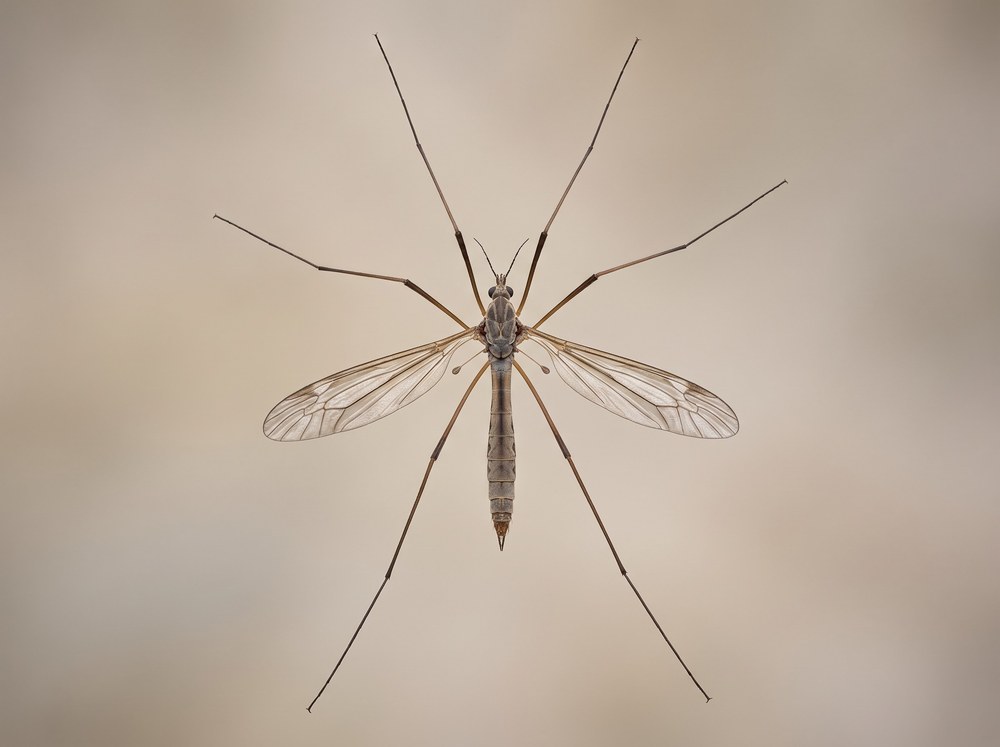
You can easily identify a crane fly by looking at its slender body, fragile wings, and extremely long legs. These insects often fly clumsily around porch lights or rest quietly on your outdoor walls during spring and summer evenings.
People often mistake them for giant mosquitoes, but crane flies do not possess the sharp proboscis needed to feed on blood. If you look closely at the head, you will notice simple mouthparts suited only for sipping nectar or dew, confirming the insect cannot harm your family.
How do common insect bites usually change over time?
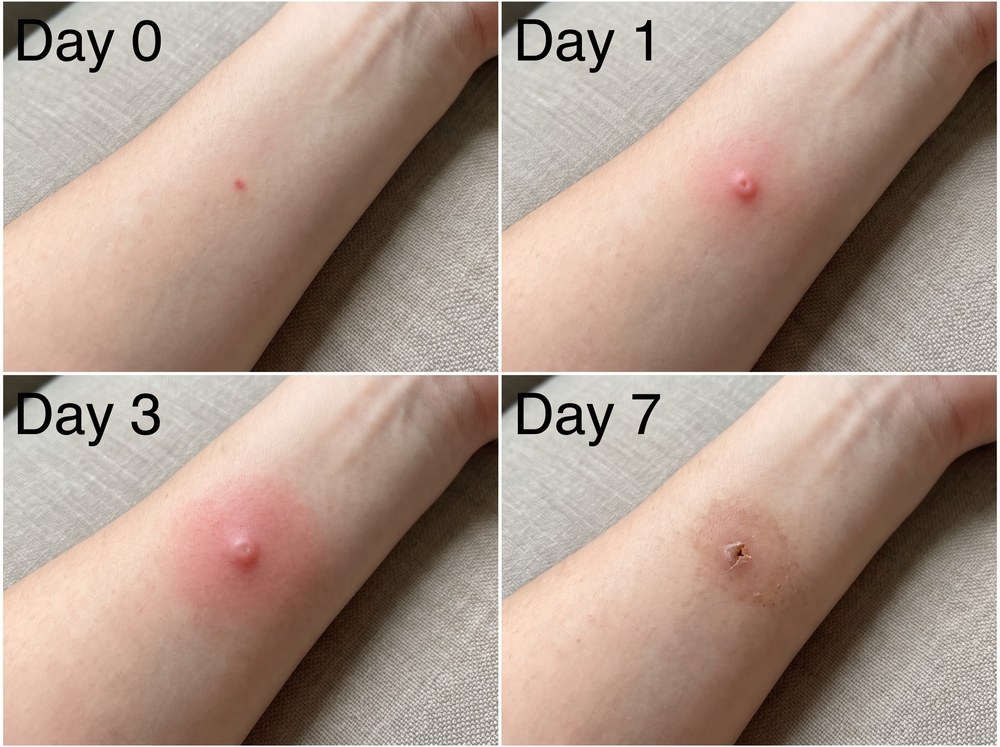
Because a crane fly did not cause your mark, another small bug likely bit you outdoors. Typical insect bites start as tiny pink spots that become slightly raised and itchy within a few hours. Your body reacts naturally to foreign saliva by sending mild inflammation to the area.
Over the next day or two, standard bites reach peak swelling and then gradually flatten out. The itchiness fades steadily without leaving lasting damage. If your bump gets darker, larger, or softer over several days, monitor it closely to ensure it is healing rather than developing an infection.
Which stinging and biting insects might be the real culprit?
If you feel a sharp pinch or develop an irritated spot, several common backyard pests are far more likely culprits than crane flies. Consider whether you spent time near damp grass, wooded trails, or open windows where active biters live.
Real stinging insects like yellowjackets, wasps, and hornets deliver instant, burning pain through sharp stingers. Meanwhile, female mosquitoes, biting midges, and small gnats pierce your skin silently to draw blood, leaving itchy welts behind. Spiders and carpet beetles can also cause localized skin irritation that you might easily misidentify.
How can you track and photograph a new skin mark?
Tracking a skin reaction helps you and your healthcare provider spot any concerning patterns over time. Take a well-lit photograph of your mark next to a clean ruler or coin so you can measure its exact width. Clear photos create a reliable record of your healing progress.
Draw a light pen circle around the outer border of redness on your skin. Check the spot every morning and evening to see if the red boundary expands past your original line. Write down accompanying feelings, such as localized warmth, throbbing, or sudden tenderness, in a notebook.
What simple steps can you take right now for relief?
Start by washing your irritated skin with mild soap and cool tap water to remove dirt and reduce surface bacteria. Pat the area dry with a clean towel without rubbing, which helps keep your sensitive skin barrier intact.
Apply a cold, damp washcloth or an ice pack wrapped in a cloth to your skin for ten minutes at a time. This simple step dulls burning sensations and calms local swelling. Keep your fingernails trimmed short and avoid scratching the spot, because broken skin invites unwanted bacterial infections.
Which signs are mild and which require urgent medical care?
Mild redness, slight puffiness, and annoying itching around a single point are normal body responses that typically resolve on their own. These small comfort issues rarely need prescription treatment and should improve over several days with basic home care.
Warning signs require immediate attention from a doctor. Watch for rapidly spreading red streaks, worsening heat, thick pus draining from your wound, or a rising fever. Seek emergency medical care immediately if you develop tightness in your throat, dizziness, wheezing, or swelling across your face, lips, or tongue after any suspected insect encounter.
How can you keep unwanted flying insects out of your home?
Preventing insects from entering your living space spares your family from both harmless visitors and actual biting pests. Check all your window screens and door frames for small tears, replacing damaged mesh promptly to seal off easy entry routes.
Crane flies and midges are heavily drawn to bright porch lights during warm nights. Switch your outdoor bulbs to warm yellow hues that attract fewer flying bugs, or turn exterior lights off when not in use. Clearing tall weeds, wet leaf litter, and standing water from your yard also reduces overall insect populations near your doorways.
What else might you want to know?
Can crane fly larvae bite your skin?
No, crane fly larvae cannot bite human skin. These larvae, sometimes called leatherjackets, live entirely underground or in decaying wood where they feed on plant roots and moist organic debris. They lack teeth, stingers, or venom to harm you or your household pets.
Do crane flies eat mosquitoes in your yard?
Despite the popular nickname mosquito hawk, adult crane flies do not eat mosquitoes at all. Most adult crane flies do not feed during their brief lives, while a few species only drink flower nectar. They will not help control mosquito numbers around your garden.