How to control crane flies?
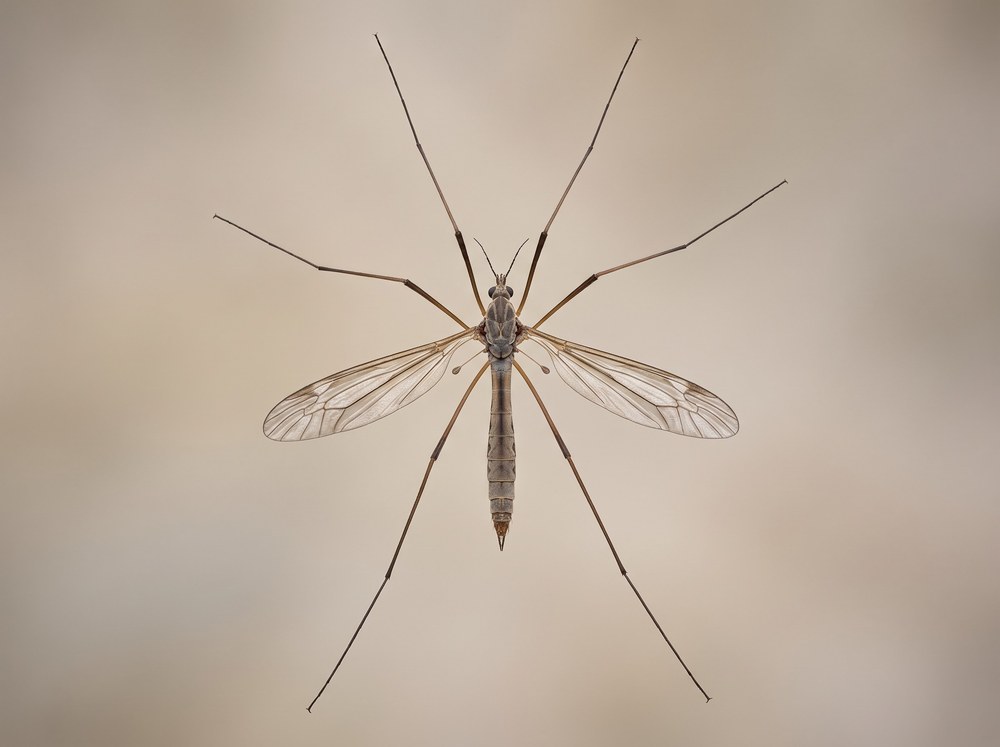
To control crane flies around your home, focus on moisture control, lawn care, and sealing indoor entryways. While these giant, leggy insects look like massive mosquitoes, adult crane flies do not bite people, feed on blood, or spread diseases. Finding an unexplained bump or red spot nearby often points to another common backyard bug, such as a mosquito or small spider. Controlling these harmless insects outdoors simply takes reducing lawn dampness, repairing damaged window screens, and turning off bright exterior lights that attract them at night.
Which Bug Bit Me?
Not sure it was really a crane fly? Answer three questions and we'll narrow the list.
Can a skin mark confirm a crane fly bite?
Adult crane flies lack mouthparts capable of biting human skin, so you cannot get a true bite from them. If you discover a tender red spot, an insect mark alone cannot reliably identify which bug caused it.
Skin reacts similarly to many outdoor irritants. A raised bump, mild redness, or localized itching could come from small gnats, mosquitoes, or minor contact with plants in your yard. Relying only on the shape of a mark rarely reveals what actually brushed against your skin.
What visible clues should you check on your skin?
Take a close look at the affected area in good lighting without squeezing it. Check whether your skin shows a single raised welt, multiple tiny dots, or generalized redness across a broader patch.
Look for clear central puncture marks, surrounding warmth, or minor fluid blisters. Note if the spot feels itchy rather than painful. These visual clues help you describe the irritation clearly to a medical professional if your skin stays irritated or uncomfortable over the next few days.
How do common insect reactions change over time?
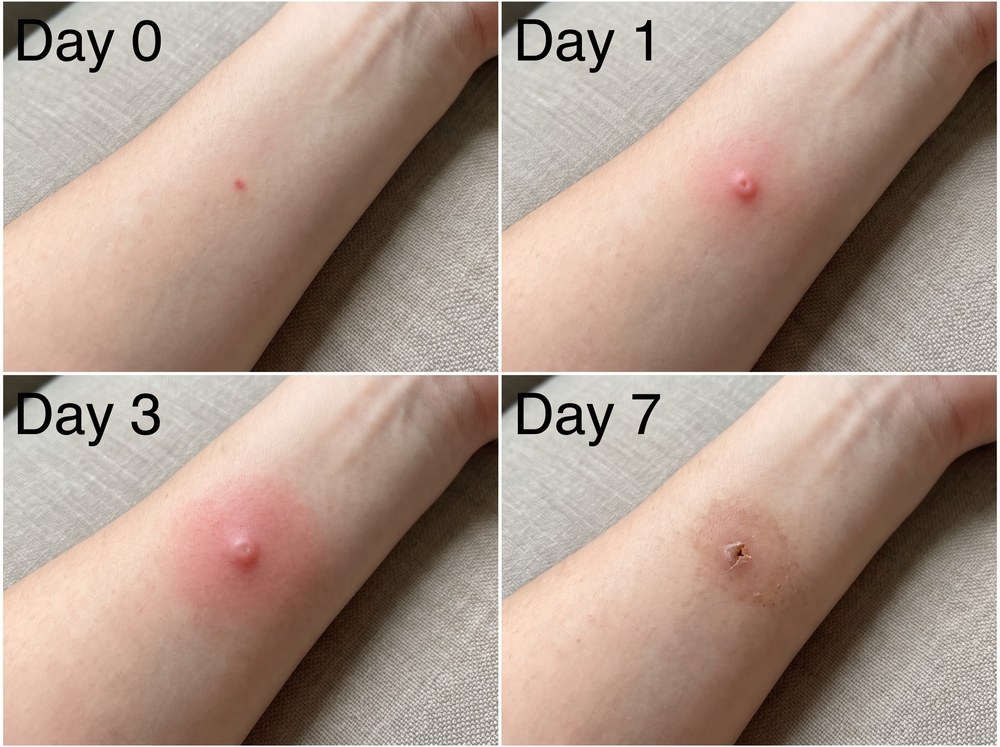
Most mild backyard bug bumps appear within minutes to hours after exposure. You will usually notice a small, puffy swelling that reaches its peak size during the first day before slowly settling down.
Over the next two to four days, the initial swelling typically flattens and turns into a faint pink mark. Itching should steadily improve without spreading. If your mark grows significantly larger, develops deep purple discoloration, or starts draining cloudy fluid, the reaction needs a closer professional look.
Which look-alikes might cause your bumps?
Since crane flies are completely harmless, other common garden pests are usually behind sudden skin reactions. Mosquitoes hide in the same damp, grassy areas where crane flies rest and readily bite bare skin.
Biting midges, small fleas, and outdoor spiders can also cause sudden red welts that you might confuse with crane fly activity. Contact with stinging nettles or rough lawn weeds can also leave itchy, red patches across your ankles and legs while you work outside in your garden.
How can you track changes on your skin?
Tracking your skin mark helps you monitor healing and provides helpful records for your doctor. Take a clear, well-lit photograph next to a coin or ruler so you can judge exact changes in size.
You can draw a light pen line around the outer border of the redness to see if it expands. Write down when you first noticed the bump, how your comfort level changes, and whether new spots appear on other parts of your body during the following days.
What safe steps can you take right now?
Wash the irritated skin gently with mild soap and cool water, then pat it dry with a clean towel. Avoid scratching, rubbing, or breaking the surface, as open skin invites secondary bacterial issues.
Apply a cold, damp cloth or an ice pack wrapped in a soft towel for ten minutes to soothe itching and reduce local swelling. Keeping your skin clean, cool, and protected gives mild outdoor irritations their best chance to calm down naturally without complications.
Which skin symptoms require urgent medical care?
Most backyard reactions stay small, mild, and fade quietly on their own. However, you should quickly recognize when a skin problem needs prompt medical evaluation from a licensed professional.
Seek immediate emergency care if you develop trouble breathing, swelling in your lips, face, or throat, or sudden dizziness. Spreading red streaks, severe throbbing pain, a high fever, or hot skin that expands rapidly beyond your initial pen mark also warrant urgent medical attention.
How can you prevent crane flies around your home?
Controlling crane flies outdoors starts with managing lawn moisture. Their larvae thrive in soggy turf, so improve your lawn drainage, avoid overwatering grass, and dethatch soil to keep numbers down naturally.
Check your home for torn window screens and seal small cracks around outer doorways. Swap bright white outdoor light bulbs for warm yellow insect bulbs, as bright porch fixtures lure flying adult insects straight toward your doors, patio spaces, and open windows each evening.
What else might you want to know?
Do adult crane flies damage your house or belongings?
No, adult crane flies do not feed on wood, fabrics, or household food. They do not build indoor nests or chew on structures. Their brief adult lives focus entirely on mating, making them harmless visitors that simply wander indoors by mistake when lights attract them.
Can crane fly larvae harm your yard?
Yes, high numbers of crane fly larvae, often called leatherjackets, can feed on grass roots and decaying organic matter. This feeding can create patchy, yellowing turf in late winter and early spring, which you can prevent with proper lawn aeration and regulated watering habits.