Are crane flies venomous?
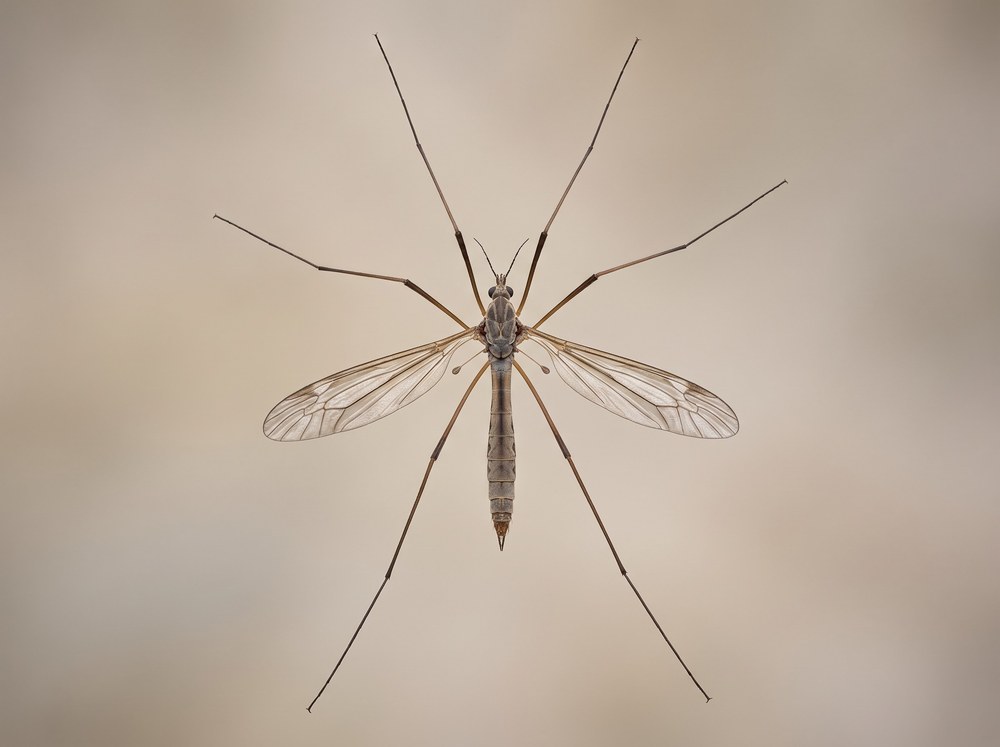
Crane flies are completely non-venomous and physically harmless to people and pets. They do not possess stingers, venom glands, or mouthparts capable of biting human skin. If you noticed a sudden red bump, stinging sensation, or itchy patch after seeing a large, mosquito-like bug nearby, another insect or skin issue is almost certainly responsible for your discomfort. Because other pests can hide in the exact same spaces, you should evaluate any unexplained mark carefully to determine whether basic home care or medical advice is right for you.
Should You See a Doctor?
A short decision tree based on CDC and Mayo Clinic guidance.
1 / 3 Is there swelling in your face, lips, tongue, or throat, or any trouble breathing or swallowing?
2 / 3 Is the redness spreading rapidly, feeling hot, or paired with fever or chills?
3 / 3 Has the mark been getting steadily worse for more than 48 hours with no improvement?
Could a crane fly cause an urgent medical problem?
A crane fly itself cannot inject venom, pierce your skin, or deliver toxins into your body. Because these insects lack the physical ability to harm you, seeing one in your room or brushing against one is never a medical emergency on its own. True health concerns only occur when a different biting pest, such as a mosquito or spider, was present nearby without your knowledge.
Take a quick breath and focus on your physical feelings rather than the insect you spotted. If you feel fine and see no worsening marks, you do not need urgent treatment. However, if your body develops sudden distress or severe pain, seeking prompt evaluation remains wise.
How do you distinguish mild irritation from serious symptoms?
Minor reactions from common outdoor pests usually stay small and easy to manage at home. You might notice a tiny red dot, slight puffiness, or mild itching that slowly fades over a few hours. These everyday symptoms typically stay confined to one small area of your skin and do not spread across your limb.
In contrast, symptoms that warrant prompt attention tend to expand quickly or bring deep discomfort. If you observe spreading heat, red streaks radiating from the spot, intense throbbing, or fluid leaking from the center, a qualified healthcare provider should evaluate your skin to ensure a secondary issue is not developing.
What changes should you watch for over the next few days?
Tracking how your skin behaves over the next several days provides valuable clues about what might have actually happened. Most simple bug bites peak within twenty-four hours and gradually calm down. Keep a close eye on the borders of any redness to make sure the affected patch is shrinking rather than expanding across your body.
Check how the spot feels when you press lightly around the edges. Increasing tenderness, new blisters, or skin that feels unusually hot to the touch after two or three days suggest that bacteria may have entered the area through tiny scratches, meaning you should consult a doctor soon.
Do health conditions or age change how you should respond?
Personal health history plays an important role in how your body handles unexpected skin irritations and potential insect stings. Young children, older adults, and individuals with diabetes or weakened immune systems can develop skin complications more rapidly. For these groups, even a small, unidentified bite warrants closer monitoring and a lower threshold for calling a doctor.
Pregnancy and chronic circulatory conditions can also alter how your tissues heal from minor injuries. If your immune system is suppressed or your symptoms steadily worsen instead of improving, getting professional guidance helps protect your general wellness and prevents simple skin irritations from turning into deeper infections.
Which safe steps can you take right now at home?
Start by gently cleaning your skin with basic mild soap and cool water to keep the surface fresh. Applying a cool, damp cloth or a towel-wrapped ice pack for ten minutes can ease burning sensations and reduce localized swelling without irritating your sensitive skin.
Resist the urge to scratch, rub, or squeeze any raised bumps you find. Breaking the surface increases the likelihood of introducing everyday germs into the tissue. Trimming your fingernails short or placing a clean, loose bandage over the irritated spot can protect your skin while you arrange an appointment if concerns linger.
What are the key emergency warning signs?
While crane flies cannot trigger toxic reactions, other unexpected stings can occasionally cause rapid allergic responses. You must treat sudden whole-body symptoms seriously, regardless of what you think might have caused them. Getting immediate emergency care is essential if your body shows signs of an acute systemic reaction.
Watch out for these specific warning signs that demand instant medical attention:
Dizziness, confusion, or a sudden feeling that you might pass out.
Swelling around your lips, tongue, eyelids, or throat.
Tightness in your chest, wheezing, or difficulty catching your breath.
- Dizziness, confusion, or a sudden feeling that you might pass out.
- Swelling around your lips, tongue, eyelids, or throat.
- Tightness in your chest, wheezing, or difficulty catching your breath.
What information should you prepare for your doctor?
When speaking with a clinician about an unexplained skin mark, clear details help them understand your situation faster. Write down the approximate time you first noticed the bump and any changes in how it feels. Taking clear, well-lit photos each morning allows your provider to see whether the redness is spreading or clearing.
Be ready to describe your outdoor activities, travel history, and any existing medical conditions or daily prescriptions you take. Mentioning whether you saw other pests, like spiders or ticks, provides helpful context, even though a visual mark alone cannot definitively prove which creature bit your skin.
What else might you want to know?
Can crane flies bite humans or pets?
No, crane flies cannot bite humans or family pets. Adult crane flies do not have biting mouthparts, venom, or stingers. Their sole biological purpose during their short adult life is mating. If you feel a bite, another insect in your environment is responsible for the mark.
Why do crane flies look so much like giant mosquitoes?
Crane flies belong to the same broad insect order as mosquitoes, sharing long legs and slender bodies. However, crane flies are physically incapable of feeding on blood or piercing skin. Their resemblance is purely coincidental, and they pose zero threat of transmitting illnesses to you or your family.