Can crane flies hurt you?
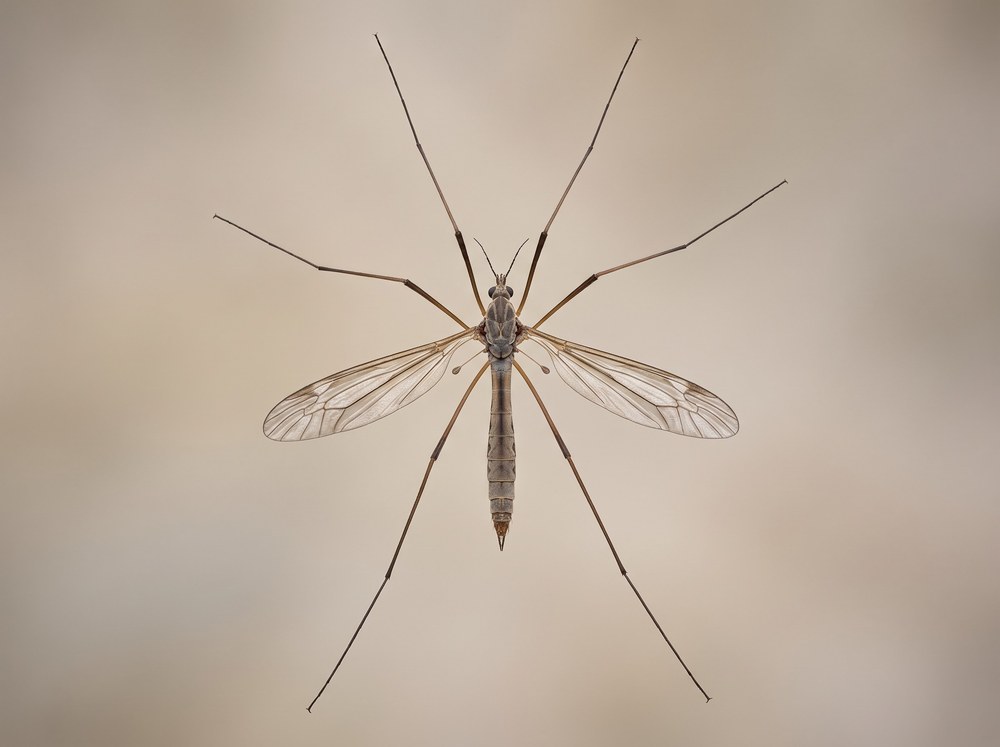
Crane flies cannot hurt you because they do not bite, sting, or carry venom that harms humans. Despite their large size and resemblance to giant mosquitoes, their mouthparts cannot pierce your skin. If you notice a painful red bump or swelling after seeing an insect fly away, a different pest likely bit you instead. Most minor bug bites clear up with simple home care, but unusual skin changes or spreading redness mean you should check in with a doctor to get an accurate evaluation and avoid complications.
Should You See a Doctor?
A short decision tree based on CDC and Mayo Clinic guidance.
1 / 3 Is there swelling in your face, lips, tongue, or throat, or any trouble breathing or swallowing?
2 / 3 Is the redness spreading rapidly, feeling hot, or paired with fever or chills?
3 / 3 Has the mark been getting steadily worse for more than 48 hours with no improvement?
Do you need urgent care for a crane fly contact?
A brief brush with a crane fly never requires emergency treatment on its own. These fragile insects have no venom glands and cannot break through your skin. If you feel fine and notice no marks, you can simply carry on with your normal day.
Medical attention becomes necessary only if you have genuine symptoms of an insect sting or bite from another hidden bug. When you experience sudden dizziness, hives, or swelling around your eyes, seek professional medical care right away. Knowing what happened helps your doctor select the right treatment path for your comfort and recovery.
What separates a mild skin bump from a serious reaction?
A typical mild insect bite leaves a tiny red spot that itches slightly for a day or two. You might notice slight puffiness right around the center, but the area stays small and calms down quickly with basic rest.
In contrast, serious reactions expand rapidly across your skin and cause intense throbbing pain. Warning signs include hot skin that spreads several inches, fluid blisters, or dark bruising that looks tender. When your body develops fever or widespread body chills alongside the skin mark, you should have a healthcare provider evaluate the problem promptly.
What should you watch for over the next few days?
Keeping an eye on any mysterious skin mark helps you catch developing issues before they become severe. Take a moment each morning to check whether your swelling has grown larger or if the surrounding skin feels warmer to the touch.
Look for red streaks traveling outward from the center, which can indicate a spreading bacterial issue. You should also watch for thick yellow drainage, increased sensitivity, or crusting that does not dry up. If your symptoms steadily worsen after forty-eight hours instead of fading, contact a medical clinic for guidance.
How can your personal health history change the risks?
Your overall health status plays a major role in how well your body recovers from skin irritations. People living with diabetes, poor circulation, or weakened immune systems face a higher risk of developing secondary skin infections from small punctures.
Pregnancy, advanced age, and early childhood also warrant extra caution whenever unexplained skin inflammation begins to spread. If you manage a chronic illness and notice increasing warmth, tenderness, or swelling on your limb, reach out to your doctor early. Getting timely advice helps protect your health and prevents minor skin issues from turning into deeper concerns.
What safe steps can you take at home right now?
Start by washing your affected skin gently with mild soap and cool tap water to remove surface dirt. Pat the skin dry with a clean towel rather than rubbing, which can irritate sensitive tissue and worsen your discomfort.
Apply a cold cloth or an ice pack wrapped in a soft cloth for ten minutes at a time to ease minor swelling. Avoid scratching the spot with your fingernails, since tiny tears in the skin invite bacteria. Keeping your nails trimmed short helps prevent accidental damage while your skin settles.
Which severe warning signs require emergency help?
True medical emergencies from insect exposures demand fast action to keep you safe. You must call for emergency assistance immediately if you develop any of the following critical symptoms after an encounter with an unknown flying pest:
Sudden tightness in your throat, wheezing, shortness of breath, facial swelling, pale or clammy skin, confusion, and fainting all signal a dangerous allergic response. Do not attempt to drive yourself to a hospital if you feel lightheaded. Call for an ambulance so trained paramedics can begin supportive care right away.
What details should you share with your doctor?
Giving your clinician clear facts makes it much easier to assess your condition accurately. Note the exact time you first noticed the skin change and write down how your symptoms have progressed over the past day.
Clear, well-lit photos taken each day allow your provider to track changes in size, color, and swelling over time. Mention any outdoor activities, yard work, or travel you completed recently. Sharing your current list of medications and underlying health conditions ensures your care team can recommend the safest treatment plan for your specific situation.
How can you prevent future bugs from bothering you?
You can keep flying insects away from your living spaces by making a few simple physical updates around your home. Inspect your window and door screens closely, patching any small tears that let night-flying bugs slip indoors toward lamps.
Turn off bright porch lights when not in use, or switch to yellow outdoor bulbs that attract fewer winged visitors. When spending quiet evenings out in your yard, wear light-colored long sleeves and pants to protect your bare skin. Clearing standing water from bird baths and clogged gutters also reduces pests around your property.
What else might you want to know?
Why do crane flies look so much like giant mosquitoes?
Crane flies share a similar body shape, long legs, and narrow wings with mosquitoes because both belong to the same broad insect order. However, crane flies lack biting mouthparts entirely, survive primarily on nectar or stored energy, and cannot pierce human skin or suck blood.
Can crane flies spread diseases to your family or pets?
Crane flies do not transmit diseases, parasites, or pathogens to humans, dogs, cats, or other household pets. They are completely non-toxic and do not feed on human blood. If an animal catches one indoors, the insect poses no poisoning danger to your pet.