Are crane fly poisonous?
Crane flies are not poisonous, venomous, or harmful to humans or pets in any way. Despite their huge wings and long, spindly legs, they lack stingers, venom glands, and biting mouthparts. If you find an irritated bump on your skin, a crane fly did not cause it. Skin reactions alone cannot tell you what bit you, because many outdoor pests leave similar red marks. Learning how these harmless insects behave can quickly ease your worries and help you identify what might truly be causing your skin irritation.
Which Bug Bit Me?
Not sure it was really a crane fly? Answer three questions and we'll narrow the list.
Can a crane fly bite or inject venom?
Adult crane flies completely lack venom sacs, stingers, or mouthparts strong enough to pierce your skin. They spend their short adult lives looking for mates or sipping nectar. Even if one lands directly on your arm, it cannot physically bite you.
Because crane flies cannot cause wounds, any swelling, bump, or itch you notice comes from a different source entirely. Looking at a red mark by itself never confirms what bug was nearby. Fleas, mites, and midges often bite without being seen. When you evaluate an unknown skin spot, keep in mind that the insect flying around your room might just be an innocent visitor.
What physical features help you recognize a crane fly?
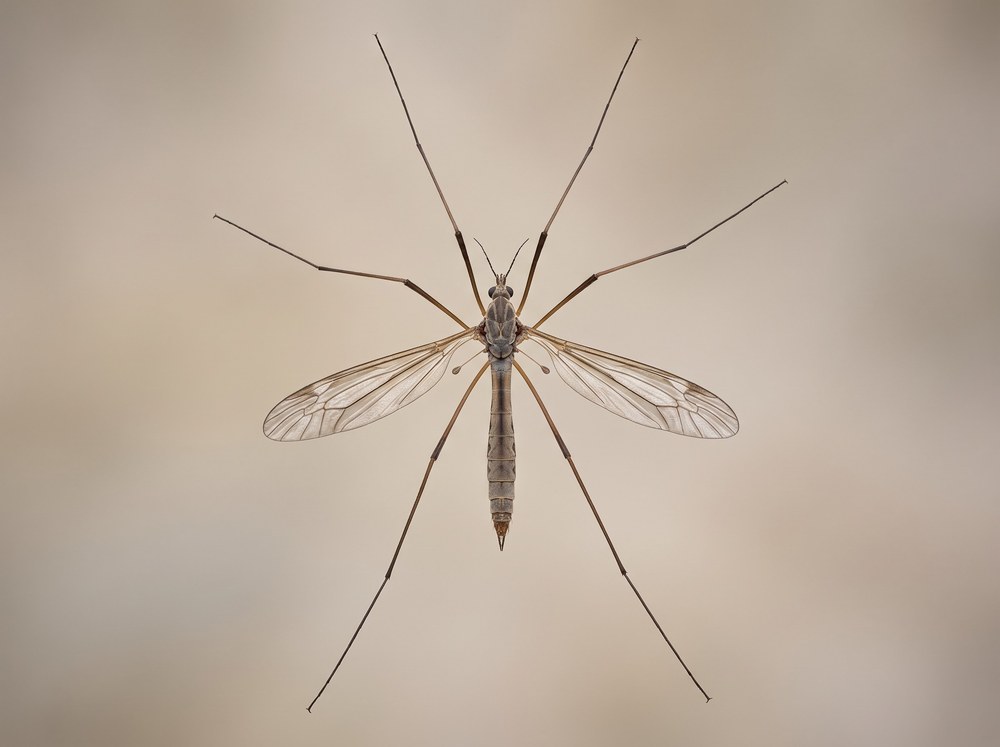
You can usually spot a crane fly by its extremely long, delicate legs and narrow body. Many people call them mosquito hawks because they look like giant mosquitoes, but their bodies are soft and fragile. They fly clumsily and often bump gently into walls, lamps, or your clothing.
Take a close look at their mouth area if one rests near you. Unlike biting pests, crane flies have very short, soft mouthparts meant only for fluids. They do not have a sharp needle or pincer. Noting their gangly legs and slow, wandering flight helps you tell them apart from aggressive insects that might actually pierce your skin.
How do harmless bumps change over the first few days?
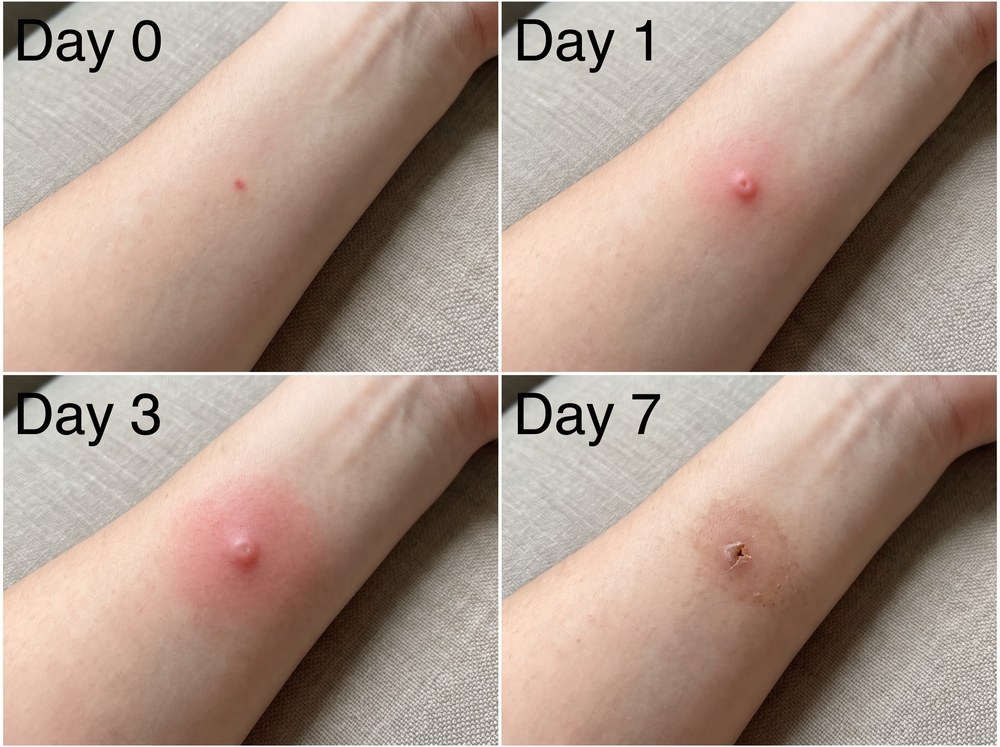
Most mild bug bites from common pests start as small red bumps that itch for a few hours. Your body reacts naturally to foreign saliva by sending fluid to the area. Over the first day or two, the small bump might puff up slightly, feel warm, or turn pink before it gradually settles.
Within three to five days, typical minor reactions fade on their own without special care. The itch usually decreases day by day as your immune response quiets down. If you notice swelling that spreads rapidly or pain that intensifies instead of shrinking, another type of skin issue or an infection might be developing.
Which insects might you confuse with a crane fly?
Female mosquitoes are the most common culprits mistaken for small crane flies. Mosquitoes are much smaller, fly with agility, and use piercing mouthparts to draw blood. Their bites leave puffy, itchy welts that often make you wonder what got you.
Other outdoor bugs can also produce confusing marks while crane flies hover nearby. Biting midges, gnats, and spiders can nip you unnoticed in tall grass or gardens. Even brushing against irritating plants or rough weeds can leave red streaks on your arms or legs. If you see crane flies outdoors, remember other hidden bugs are usually the real reason for your skin bumps.
How can you track your skin symptoms safely at home?
Taking clear photos of your skin helps you monitor any changes accurately over time. Place a clean coin or ruler next to the mark so your camera captures its true size. Good lighting ensures you can clearly see whether redness is expanding, staying the same, or fading away.
You can also use a skin-safe pen to draw a light circle around the outer border of the red area. Check the mark every few hours to see if irritation moves past your line. Keeping a simple note of when the spot appeared and how your symptoms shift gives helpful details if you talk with a clinician later.
What simple steps can you take to soothe your skin?
Start by gently washing the irritated area with basic soap and cool water to keep it clean. Applying a cold washcloth or ice pack wrapped in a towel for ten minutes can ease burning and calm your urge to itch. Pat your skin dry with a clean towel rather than rubbing roughly.
Avoid scratching the bump, because breaking your skin lets everyday bacteria enter the wound. Keep your fingernails trimmed short to prevent accidental scratches while you sleep. Over-the-counter soothing lotions or cold compresses can provide relief while your body naturally clears the irritation over the next few days.
When should you seek professional medical care?
Mild redness, slight puffiness, and local itching are normal immune responses that usually resolve without medical intervention. You do not need a doctor for a minor spot that steadily improves. However, you should pay attention to how your entire body feels after noticing any unexpected skin mark.
Seek medical care if you develop spreading redness, red streaks, oozing pus, or a fever, as these suggest a bacterial infection. Get immediate emergency help if you experience shortness of breath, dizziness, or swelling around your lips, tongue, or throat. These severe signs point toward an allergic reaction that requires fast clinical support.
What else might you want to know?
Do crane flies eat mosquitoes in your yard?
Despite the popular nickname mosquito hawk, adult crane flies do not eat mosquitoes or other bugs. Most adults feed purely on nectar or do not eat at all during their short lifespan. They are entirely harmless to you and do not act as natural predators for garden mosquitoes.
Why do crane flies gather inside your house?
Crane flies are strongly attracted to outdoor porch lights and open windows after dark. They often fly inside accidentally when you open your doors at night. Once indoors, their weak flying causes them to flutter near ceilings and lamps until they naturally die within a few days.