Can crane fly bite you?
No, a crane fly cannot bite you. These large, spindly insects do not have biting mouthparts, venom, or stingers, so they cannot pierce human skin or feed on blood. Adult crane flies mostly feed on nectar or do not eat at all during their short lives. If you notice an itchy welt or red spot on your skin, another common pest or a minor skin reaction is the real culprit. Knowing how these insects function can ease your mind when you spot them drifting around your home.
Which Bug Bit Me?
Not sure it was really a crane fly? Answer three questions and we'll narrow the list.
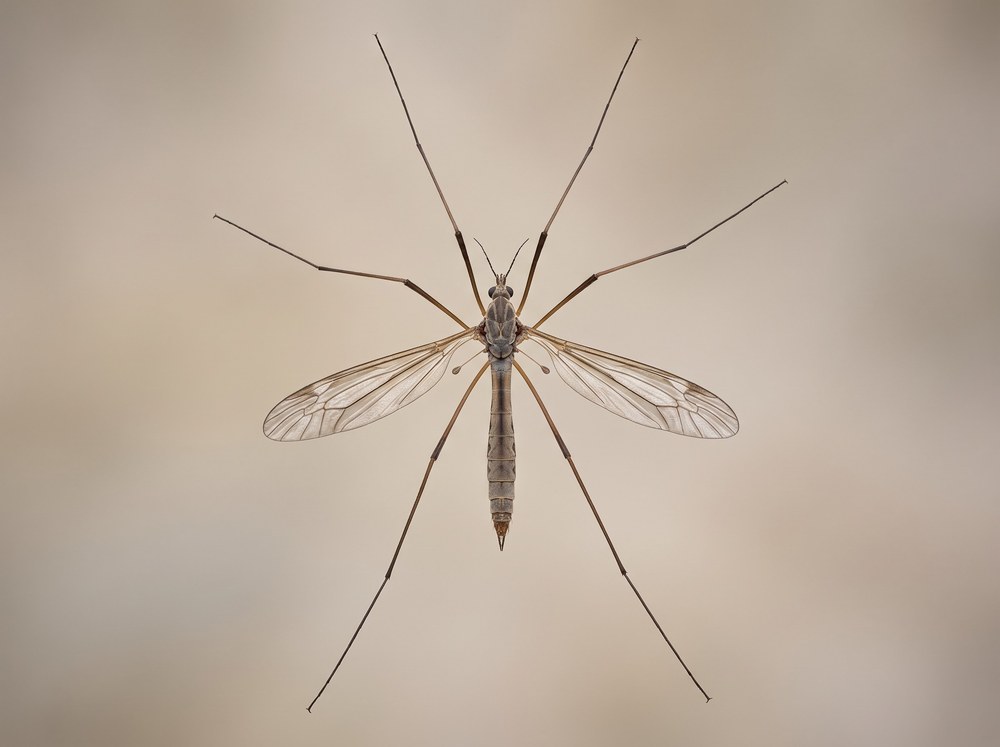
Why is it impossible for a crane fly to bite you?
Crane flies completely lack the physical tools needed to break through your skin. Their mouthparts are either very soft and adapted only for sipping fluids or missing entirely. They never produce venom, nor do they carry stingers on their bodies. Because of this biology, they pose no physical danger to humans or household pets.
When you discover an unexplained bump, it is easy to blame the largest insect in the room. However, skin reactions look very similar across many different causes. A mark by itself cannot confirm what touched you, so assuming a crane fly caused your irritation will only lead you to the wrong conclusion.
What visible details should you inspect on your skin?
Checking the irritated area under good lighting helps you gather helpful clues. Look closely at the surface to see if there is a tiny central puncture, a flat red circle, or a raised fluid-filled blister. Notice whether the spot feels warm, firm, or tender when you lightly touch the surrounding border.
You might also check if you have a single localized bump or a cluster of spots across exposed areas. Even with careful inspection, visible traits rarely point to a single insect with certainty. Sharing these specific visual details with a doctor gives them a clearer picture of your overall skin reaction.
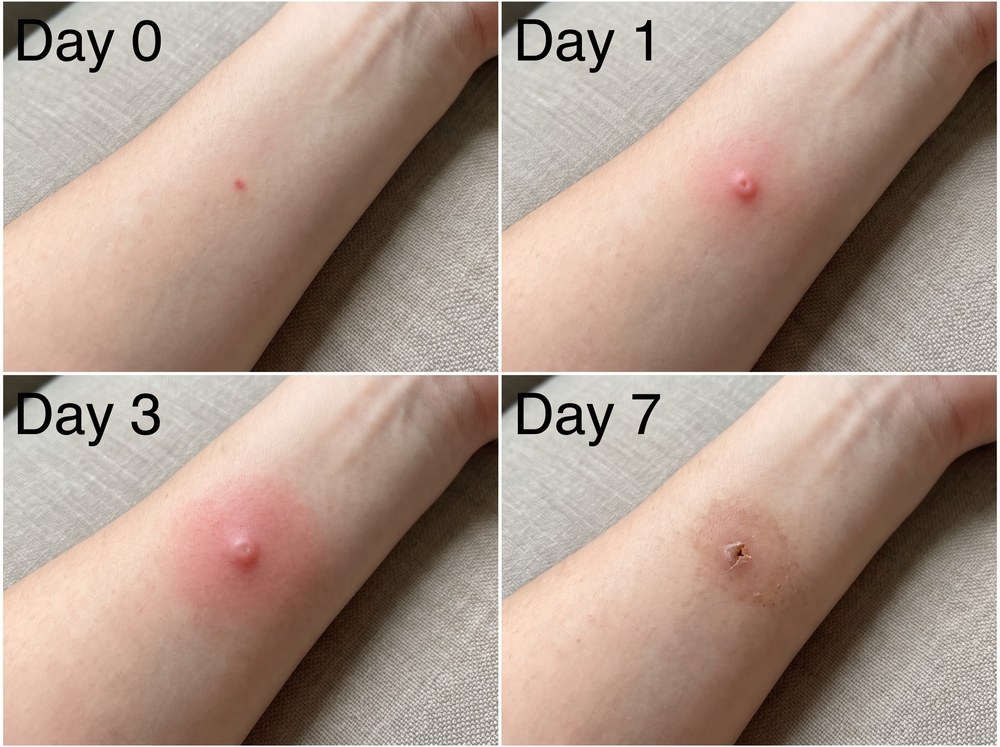
How might your skin mark change over the next few days?
Most common skin bumps follow a predictable pattern as your immune system responds to minor irritation. During the first day, you will often notice mild swelling, slight pinkness, and local itching. This natural histamine response typically peaks within twenty-four to forty-eight hours before it slowly begins to fade away.
Over the next few days, the redness should shrink and the swelling ought to soften noticeably. If you notice a spot expanding rapidly, developing dark discoloration, or leaking cloudy fluid, your body might be dealing with an infection or a distinct skin condition. Monitoring these shifts helps you know when to seek medical advice.
Which look-alike insects or triggers might be the real cause?
Since crane flies are harmless, other household pests or environmental triggers are usually responsible for sudden welts. Female mosquitoes, biting midges, and small fleas often bite without being noticed right away. Spiders, bed bugs, and outdoor mites can also leave small, itchy marks that look nearly identical on your arms or legs.
Non-insect causes frequently mimic bug bites as well. Contact with irritating plants, rough fabrics, new laundry detergents, or minor allergic hives can create sudden red patches. Considering where you spent your time outdoors helps you narrow down these everyday possibilities without jumping to conclusions.
How can you photograph and track your skin changes?
Taking clear photos creates a helpful timeline if your skin irritation changes or fails to improve. Place a small household ruler or a coin next to the spot so you can measure its exact size. Snap your photo in bright, indirect light to capture the true color without harsh shadows obscuring the edges.
You can write down the date and note any sensations like burning or throbbing in a simple journal. If you notice red borders spreading outward, gently trace the edge with a soft pen to monitor the growth. This accurate record gives your healthcare provider valuable context during an evaluation.
What simple steps can you take right now to find relief?
Begin by washing the irritated area gently with mild soap and cool tap water. Keeping the surface clean reduces the chance of secondary bacterial issues from developing. Apply a cool, damp washcloth or an ice pack wrapped in a soft towel for ten minutes at a time to soothe local itching and ease puffiness.
Resist the urge to scratch your skin, as scratching breaks the protective barrier and delays natural healing. Trimming your fingernails short can prevent accidental skin damage while you rest. If the discomfort distracts you, ask your local pharmacist about over-the-counter soothing lotions designed for minor, everyday skin irritations.
How do you separate mild changes from urgent warning signs?
Mild irritation usually stays confined to a small area and slowly improves with basic home comfort measures. You can expect manageable itching, light redness, and minor puffiness that does not interfere with your daily routine. These everyday signs show that your body is handling the minor irritation normally without complication.
In contrast, severe warning signs demand swift medical attention. Seek urgent evaluation if you experience sudden dizziness, wheezing, swelling around your lips, or widespread hives across your body. Spreading warmth, red streaks moving up a limb, high fever, or severe throbbing also indicate that your skin needs professional care right away.
How can you prevent similar skin irritations in the future?
Protecting your living space from unwanted flying insects is straightforward and effective. Inspect your window and door screens for small tears where outdoor bugs might slip inside at night. Since bright porch lights attract harmless crane flies and biting pests alike, switching to yellow bug bulbs can keep insects away from your doorways.
When spending time in damp grass or wooded trails, consider wearing lightweight long sleeves and tucking your pant legs into your socks. Applying an approved insect repellent on exposed skin keeps biting bugs at bay. These simple habits lower your chances of dealing with mysterious welts after spending time outdoors.
What else might you want to know?
Are crane flies dangerous to pets or property?
No, crane flies are entirely harmless to your pets and home. They do not sting, bite, or carry harmful poisons that could sicken a curious cat or dog. In addition, adult crane flies do not feed on household wood, furniture, or pantry food while resting indoors.
Why do people call crane flies giant mosquitoes?
People call them giant mosquitoes because their long legs, slender bodies, and narrow wings look very similar to true mosquitoes. Despite this resemblance, crane flies belong to a different insect family, cannot suck blood, and do not transmit any human diseases when you encounter them.