Can a fly bite you?
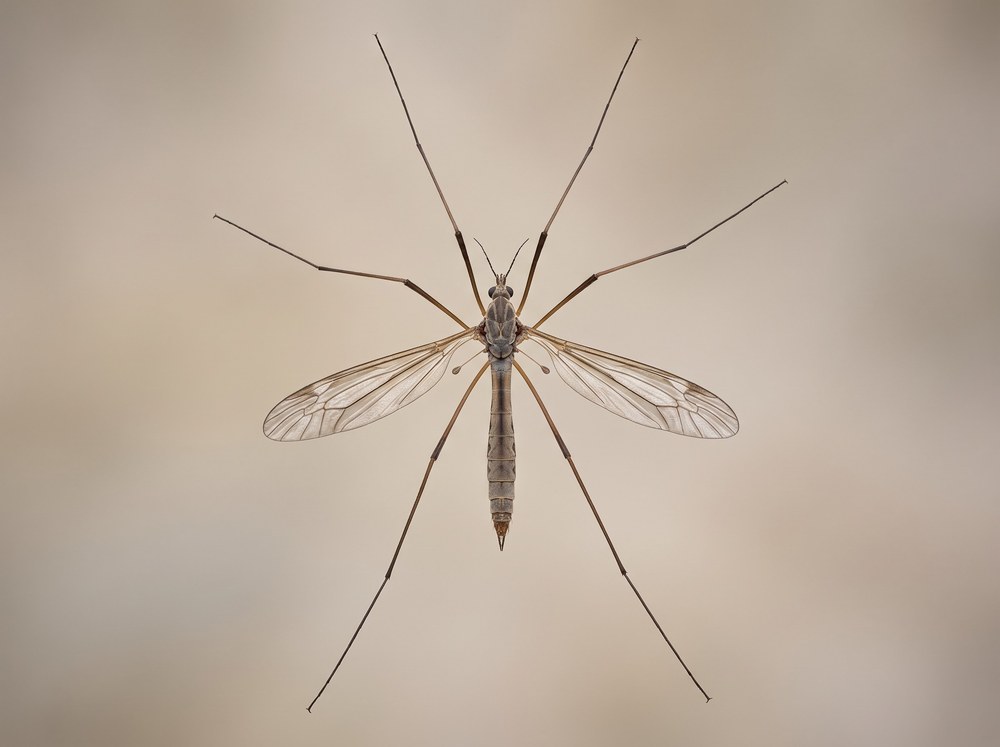
Yes, many types of flies can bite you, but crane flies cannot. Crane flies look like giant mosquitoes, which often frightens people when they fly into homes or gardens. However, adult crane flies do not have biting mouthparts, venom, or stingers. They cannot pierce your skin or feed on human blood. If you notice a painful, itchy mark on your body, another insect caused it. Understanding what real fly bites feel like helps you figure out the next best step for relief and safe healing.
Bite Symptom Checker
Check every symptom you're currently experiencing from the mark you found. Get a plain-English risk read.
Why are crane flies unable to bite your skin?
Adult crane flies lack the physical anatomy required to bite human skin. Their mouthparts are either extremely small or entirely absent because they do not hunt or consume blood. Instead, these fragile insects live only a few days to mate and lay eggs in moist soil or grass.
When you see one hovering near your porch lights, you do not need to worry about stings either. They have no venom glands or defensive stingers. Any red bump on your arm or leg comes from a different pest altogether, such as a mosquito, gnat, or horsefly.
What do real biting fly reactions feel like?
True fly bites often cause sharp, immediate pain because species like deer flies or blackflies cut the skin to feed. You will usually feel a sudden pinch followed by a localized burning sensation. Within minutes, your body reacts to the insect saliva left behind in the tiny wound.
The area typically swells into a firm, raised red bump that itches intensely. You might see a small drop of dried blood right in the center of the welt. Mild warmth and minor puffiness around the tender spot are very standard reactions for most healthy people.
How long should a typical skin reaction last?
Most minor bug bites follow a predictable timeline. The sharpest discomfort and swelling usually peak within the first twenty-four hours after exposure. Over the next three to five days, your body calms the inflammation, reducing both the redness and the intense urge to scratch.
You should watch for unusual changes that linger past a full week. Redness that expands outward, skin that feels increasingly hot, or swelling that spreads further down your limb needs closer evaluation. A normal reaction shrinks steadily, while a developing complication tends to worsen with each passing day.
Which other insects could be causing your symptoms?
Because crane flies are completely harmless, other common yard pests are usually behind mysterious skin marks. Identifying the exact bug can be tricky since several species produce nearly identical raised bumps.
You might be dealing with one of these frequent outdoor culprits instead:
Female mosquitoes that feed quietly at dawn and dusk, tiny biting midges that leave clusters of itchy dots, or aggressive horseflies that create painful cuts.
- Female mosquitoes that feed quietly during warm evenings.
- Tiny biting midges or gnats that leave clusters of dots.
- Aggressive horseflies or deer flies that create painful cuts.
How can you track your skin changes at home?
Keeping a simple visual record at home helps you spot complications early. You can take a clear, well-lit photo of the mark once every morning to compare size and color over time. This removes guesswork if you feel uncertain about whether the swelling is shrinking or growing.
Another helpful trick involves taking a washable pen and drawing a light line around the outer border of the redness. If you see the bright red area expand past your ink boundary after twelve hours, that gives you clear evidence to share with a healthcare provider.
What simple comfort steps can you take right now?
Start by washing the irritated skin gently with mild soap and cool water to remove lingering dirt. Pat the surface dry with a clean towel rather than rubbing it harshly. Applying an ice pack wrapped in a cloth for ten minutes helps numb sharp pain and soothes swelling.
Try your best to avoid scratching the surface, even when the itch feels overwhelming. Breaking the skin with your fingernails invites bacteria into the open sore, which raises the risk of infection. Keeping your nails trimmed short can prevent accidental damage while you sleep.
When should you seek urgent medical attention?
While most insect encounters remain mild, severe allergic reactions require immediate emergency intervention. If you develop sudden wheezing, chest tightness, or trouble swallowing, call for emergency help without delay. Swelling that spreads across your lips, tongue, or eyelids is another clear warning sign.
You should also seek prompt care if you notice spreading red streaks, yellow pus draining from the center, or a sudden fever. These symptoms suggest a secondary bacterial infection that needs professional assessment rather than home remedies. Trust your instincts whenever your overall illness feels rapidly worse.
What details should you share with a clinician?
Preparing a few basic facts makes your medical visit much smoother. Tell the clinician roughly when you first noticed the bump and whether you felt a sharp pinch outdoors. Mention any specific outdoor activities, such as hiking near water, gardening, or cleaning tall grass around your yard.
You should also describe any home treatments you already applied, including creams, washes, or cold compresses. Bring your photos or note how quickly the redness changed. This background information helps your doctor evaluate your skin accurately without guessing what happened in the days before your appointment.
What else might you want to know?
Can crane flies spread diseases to humans?
No, crane flies cannot spread diseases to humans or household pets. Because they do not bite, pierce skin, or feed on blood, they cannot transmit viruses or parasites. They are ecologically beneficial insects that serve as an important food source for birds, bats, and small outdoor wildlife.
Do crane fly larvae pose any danger to skin?
Crane fly larvae, often called leatherjackets, live underground in soil and feed strictly on decaying plant matter or grass roots. They have no interest in humans, cannot bite your skin, and contain no poison. You can safely handle garden soil without worrying about larval stings or bites.