How to treat for crane flies?
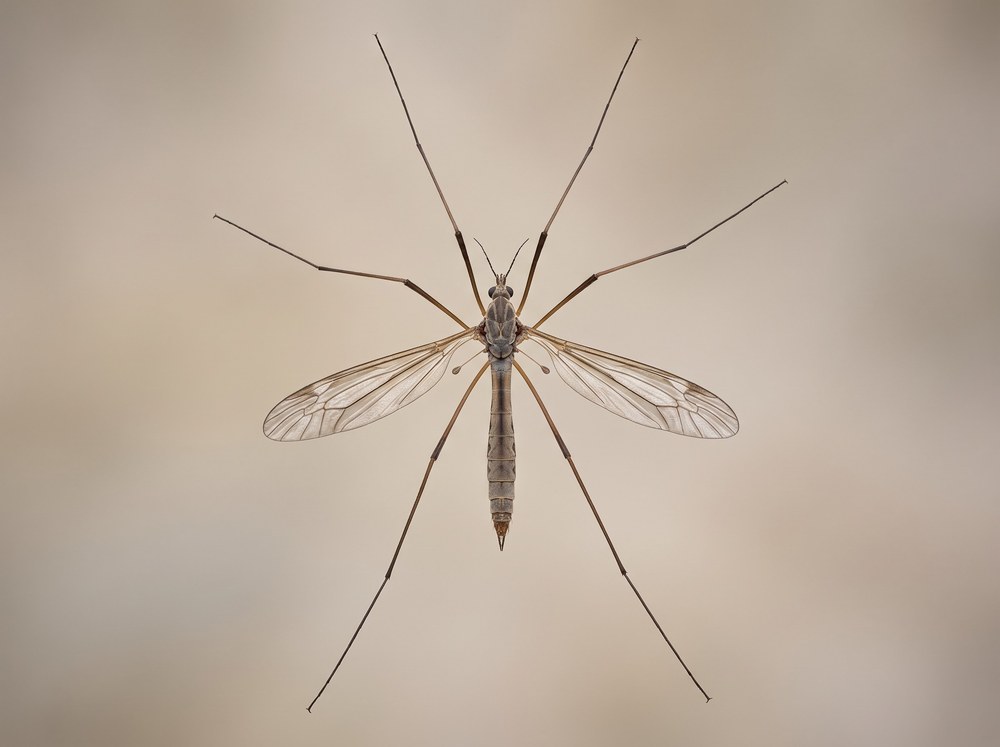
Adult crane flies do not bite or sting humans, so you do not need special venom treatments. However, if you notice an irritated bump or skin redness that you associate with an insect encounter, gentle home hygiene is your best starting point. Wash the area gently with mild soap and cool water, then apply a clean, cold compress to ease surface irritation. Keep an eye on your skin over the next few days to ensure no secondary infection develops from scratching or another bug.
Should You See a Doctor?
A short decision tree based on CDC and Mayo Clinic guidance.
1 / 3 Is there swelling in your face, lips, tongue, or throat, or any trouble breathing or swallowing?
2 / 3 Is the redness spreading rapidly, feeling hot, or paired with fever or chills?
3 / 3 Has the mark been getting steadily worse for more than 48 hours with no improvement?
How quickly do you need medical care?
Most minor skin bumps do not need immediate emergency attention if you feel completely fine overall. Because crane flies lack biting mouthparts and venom, an unexpected red spot usually comes from a different common insect, plant contact, or simple friction. You can safely care for minor redness at home while observing how your skin responds.
Emergency care becomes necessary only if you develop body-wide allergy symptoms like wheezing, throat tightness, or sudden dizziness. When your symptoms stay confined to a tiny, slightly itchy spot on your arm or leg, you have plenty of time to evaluate the situation calmly.
How can you tell mild irritation from a serious issue?
A typical mild reaction stays small, flat, or slightly puffy, causing faint itching that fades over two or three days. Your skin might feel a little warm right at the center, but the surrounding tissue remains normal in color and temperature. Simple washing and cold packs usually bring noticeable relief within minutes.
A more serious issue shows spreading redness, dark discoloration, blistering, or intense pain that keeps getting worse. If you notice cloudy drainage, red streaks traveling up your limb, or swollen lymph nodes nearby, your body might be dealing with a bacterial skin infection that requires professional medical assessment.
What changes should you watch for over time?
Keep a close watch on your skin over the next twenty-four to seventy-two hours. Normal minor irritation peaks early and gradually subsides without spreading. If you notice the red border expanding outward, draw a light pen line around the perimeter so you can track whether the redness grows larger.
Check daily for signs of broken skin, crusting, or yellow pus, especially if you caught yourself scratching the spot during sleep. Increased tenderness to the touch or a sensation of localized heat often indicates bacteria entered the skin barrier, meaning you should arrange a non-urgent visit with your healthcare provider.
Do personal health factors change your treatment path?
Your overall medical background plays a significant role in how quickly you should reach out to a doctor. If you live with diabetes, circulatory disorders, or a compromised immune system, even minor skin breaks can develop into deeper tissue infections quite rapidly. Seeking advice earlier helps protect your general health.
Age and pregnancy also matter when managing mysterious skin lesions. Very young infants and elderly adults often have thinner, more fragile skin that requires prompt clinical attention if redness spreads. In addition, always consult your physician or pharmacist before using medicated anti-itch creams during pregnancy.
What safe home steps can you take right now?
While you arrange care or monitor your skin, stick to gentle, non-invasive home remedies that protect your skin barrier:
Leave the spot uncovered or apply a loose, breathable bandage to protect it from dirt and friction. Keeping your fingernails short and clean prevents accidental skin tears if you experience sudden itching.
- Cleanse the skin thoroughly using lukewarm water and a fragrance-free soap, patting dry gently with a clean towel.
- Apply an ice pack wrapped in a soft cloth for ten to fifteen minutes at a time to soothe burning sensations.
- Avoid scratching, rubbing, picking at scabs, or applying harsh chemical remedies like bleach, rubbing alcohol, or kerosene.
What emergency warning signs require immediate help?
Certain sudden symptoms point toward a severe allergic reaction or dangerous illness that cannot wait for a regular clinic appointment. Call for emergency medical assistance right away if you experience swelling of your lips, tongue, or throat, or if your voice becomes hoarse and breathing turns difficult.
Other critical warning signs include sudden widespread hives, profound lightheadedness, confusion, chest tightness, or a high fever accompanied by chills. When these systemic signs appear after an unknown outdoor exposure, immediate hospital care is essential to keep your airways open and stabilize your vital signs.
What details should you share with your clinician?
When you speak with your doctor, bring clear information about your symptoms rather than focusing solely on identifying a bug. Mention precisely when you first noticed the mark, how the sensation has evolved, and whether the redness has grown past its original borders. Clear timeline notes help your clinician tremendously.
Take clear, well-lit photos of the skin area each morning to show the progression over several days. Be prepared to share your complete medication list, any outdoor activities you recently enjoyed, and any home creams you applied before your visit to ensure accurate medical evaluation.
What else might you want to know?
Can crane flies transmit diseases to people or pets?
No, crane flies do not carry or transmit blood-borne parasites, viruses, or bacteria to humans or household pets. They are entirely harmless insects that spend their brief adult lives looking for mates, posing no biological threat to your family.
Why do I have an itchy bump if crane flies do not bite?
You likely encountered a different insect that shares similar outdoor habitats, such as a mosquito, gnat, or midge. Plant irritations, minor scrapes, or allergic contact dermatitis can also create localized red welts that look identical to bug bites on your skin.