Does crane fly bite?
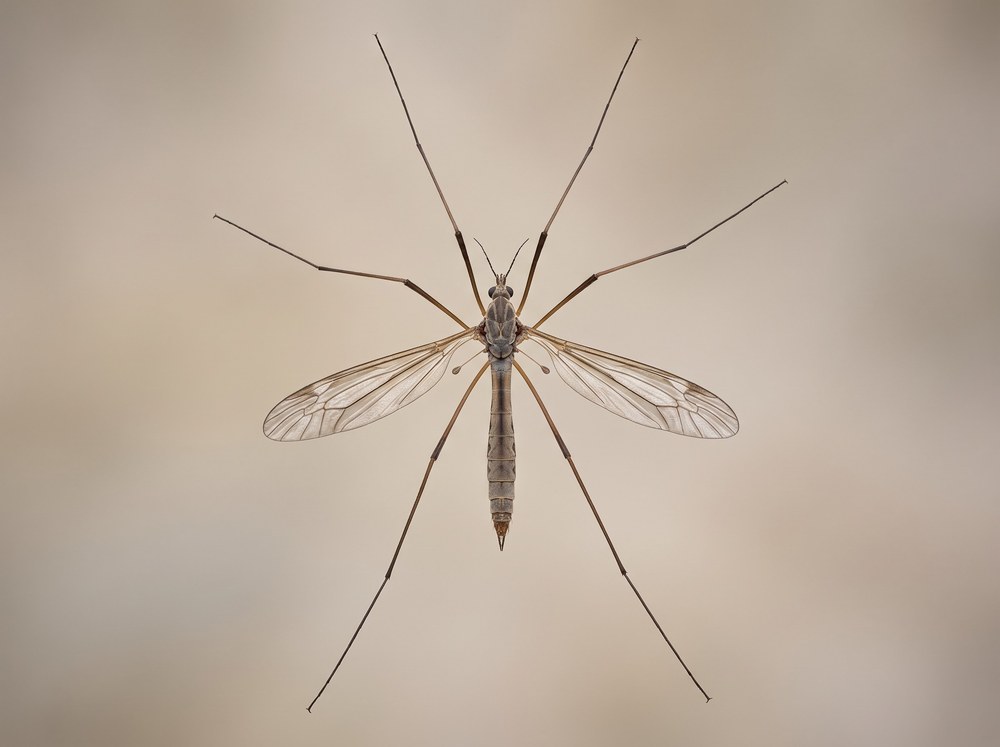
No, crane flies cannot bite you. Despite their giant size and mosquito-like appearance, adult crane flies lack the mouthparts required to pierce human skin or feed on blood. Many species do not even feed as adults, while others only sip harmless flower nectar. If you discover an uncomfortable bump, red spot, or itchy welt on your body, another bug or an unrelated skin irritation is the true culprit. Looking closely at your symptoms will help you figure out the best way to care for your skin safely.
Which Bug Bit Me?
Not sure it was really a crane fly? Answer three questions and we'll narrow the list.
Why is it impossible for a crane fly to bite you?
Crane flies look intimidating with their sprawling legs and long bodies, but their anatomy makes biting completely impossible. Their mouthparts are either extremely soft or entirely absent. They have no stinger, no venom glands, and no sharp needle to pierce your skin.
Because of this, an itchy welt or painful puncture never comes from a crane fly. However, looking at a mystery skin mark alone cannot reveal the true insect. Many bug bites produce identical red swelling, so you should focus on how your skin feels rather than blaming the harmless crane fly resting on your wall.
What visible clues can you check on your skin?
When you notice a strange spot, start by examining its basic physical characteristics under good indoor light. Look at the general shape, the exact color, and whether there is a clear puncture hole in the center.
You might observe a raised pink bump, a flat red circle, or a tiny fluid-filled blister. Check if your skin feels unusually warm to the touch or if the surrounding tissue looks puffy. These visual clues help you describe the problem accurately if you later speak with a doctor, though no visible pattern can definitively name the hidden bug.
How might a mystery bite change over time?
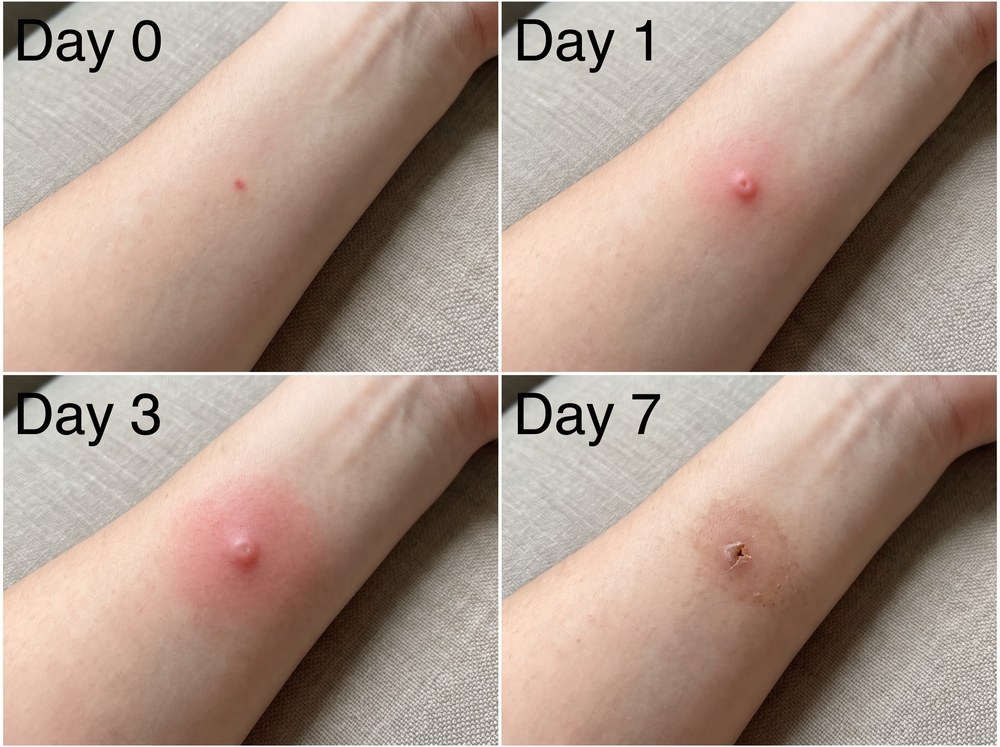
Skin reactions rarely stay the exact same over several days. Most typical insect bites peak in redness and itching within the first day or two, gradually fading away over the following week as your body heals.
Keep track of whether your swelling shrinks or expands as time passes. Mild itching that steadily decreases is a positive sign. On the other hand, redness that spreads outward rapidly or skin that becomes increasingly tender could suggest an active infection or an allergic response, meaning your body needs extra attention from a qualified medical provider.
Which common bugs are realistic look-alikes?
If a crane fly did not cause your mark, several other household insects or outdoor pests might be responsible. Many common bugs deliver bites that leave small, irritated welts.
Consider whether you recently spent time around any of these common culprits:
- True mosquitoes that bite exposed skin during warm, humid evenings
- Biting midges or gnats that leave tiny, intensely itchy red clusters
- Spiders or bedbugs that occasionally nip skin while you sleep
- Outdoor plant irritants like poison ivy that mimic fresh bug bumps
How can you track and measure your skin changes?
Monitoring your skin carefully takes the guesswork out of daily healing. Take a clear photograph of the spot every morning in bright, indirect light so you can compare the color and shape across several days.
You can also use a washable pen to draw a gentle border around the edge of the redness. This simple trick lets you instantly see if the inflammation spreads past your marked line. Write down your pain levels and any new sensations in a quick notebook to share with your healthcare provider if necessary.
What gentle steps can you take right now?
Start by washing your irritated skin gently with mild soap and cool water to keep the surface clean. Apply a cold compress or an ice pack wrapped in a cloth to reduce local swelling and calm annoying itchiness.
Resist the urge to scratch your skin, as fingernails easily create tiny tears that allow bacteria inside. You might apply a simple over-the-counter soothing lotion if your skin tolerates it well. Keep your nails trimmed short, keep the area dry, and give your body plenty of resting time to recover naturally.
Which symptoms suggest you need medical care?
Most bug encounters cause minor discomfort that clears up on its own, but you must stay alert for serious warning signs. A localized mild itch or small tender bump is typically safe to monitor closely at home.
However, seek prompt medical attention if you notice red streaks spreading from the wound, cloudy drainage, or a rising fever. Emergency care is essential if you experience facial swelling, dizziness, or chest tightness. Trust your instincts and contact a clinician immediately whenever your skin symptoms rapidly worsen or make you feel generally unwell.
What else might you want to know?
Do crane flies eat mosquitoes around your home?
No, adult crane flies do not eat mosquitoes. Despite their popular nickname of mosquito hawks, they are completely vegetarian or do not feed at all. Their presence around your porch lights is harmless, so you do not need to rely on them for backyard pest control.
Can crane flies sting or hurt your pets?
Crane flies cannot sting, bite, or poison your pets. They possess no venom or defensive barbs. If your cat or dog catches and eats one, the insect will not cause internal harm, though eating many bugs might cause mild, temporary stomach upset.