What happens if a crane fly bites you?
Nothing happens if a crane fly lands on you because crane flies cannot bite humans. These large, spindly insects lack the mouthparts required to pierce human skin or inject venom. If you notice a tender red bump after spotting one nearby, another bug almost certainly caused your mark. Finding a mystery bump can feel unsettling when you want clear answers right away. Looking closely at your skin reaction and tracking how it behaves will help you decide on practical next steps and know when to seek medical advice.
Which Bug Bit Me?
Not sure it was really a crane fly? Answer three questions and we'll narrow the list.
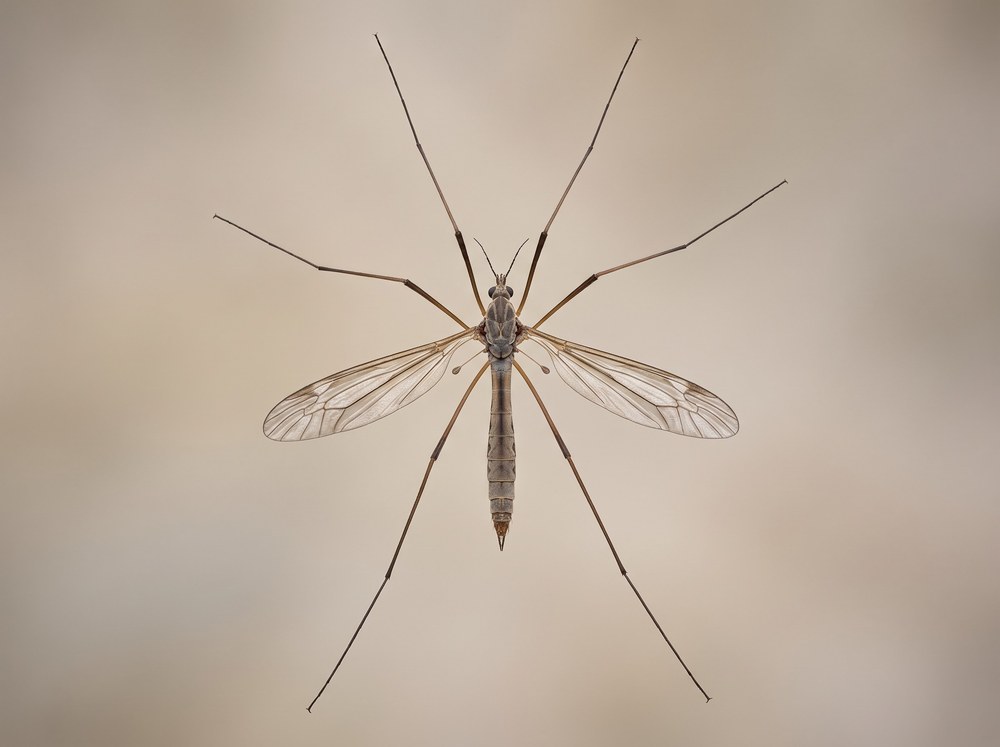
Can a crane fly actually bite your skin?
Adult crane flies do not bite, sting, or carry venom that can harm people. Most adult species do not feed at all, while a few only sip nectar or water. Their fragile jaws simply cannot break human skin. If you feel a sharp pinch, you are dealing with a completely different insect.
Skin marks alone rarely reveal the exact bug that caused them. Many insect bites look like generic red welts. If you suspect an insect got you, focusing on your current comfort helps much more than trying to blame a harmless crane fly.
What visible details should you check on your skin?
Take a close look at the area in bright, natural light. You might see a small raised bump, mild redness, or a tiny central puncture dot. Note whether the surrounding tissue feels warm or puffy when you touch it gently. These clues help describe your spot clearly to a clinician.
Check if you have a single spot or a clustered group. A cluster often points toward biting gnats, fleas, or bed bugs rather than a solitary bug encounter. Keep your hands clean while examining your skin so you do not introduce dirt.
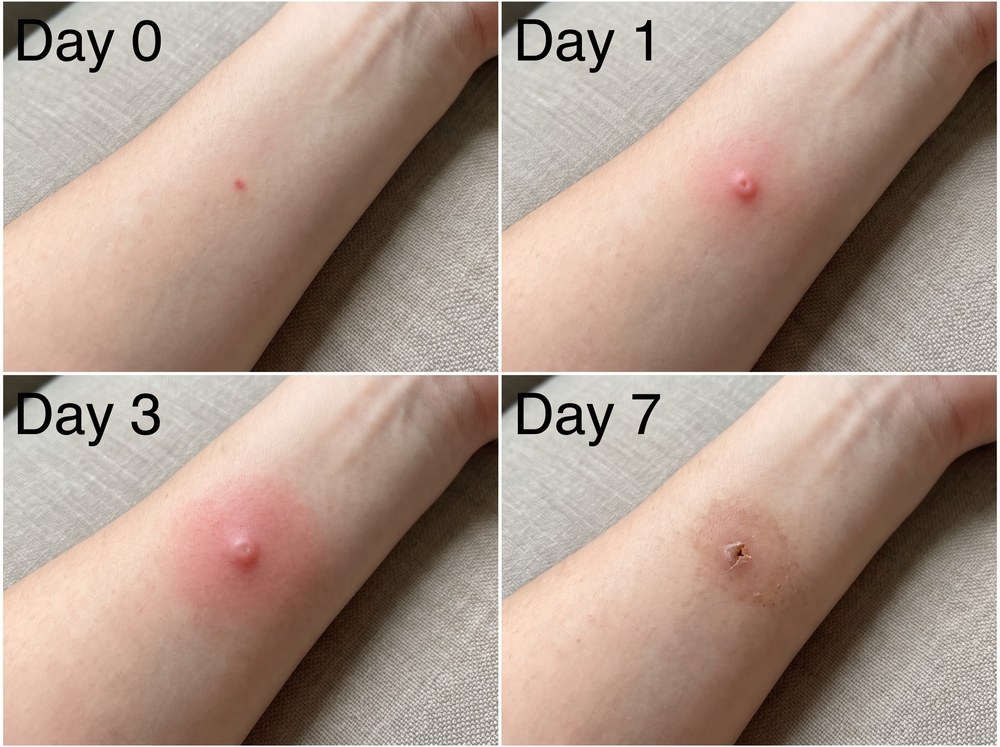
How do common insect bumps change over time?
Most typical insect reactions peak in size and itchiness during the first twenty-four to forty-eight hours. Your body releases histamine to protect the skin, which creates localized swelling. After two or three days, the puffiness usually softens and the redness slowly fades away.
A normal skin response continues to shrink over a week. If you notice the redness spreading outward after several days, or if swelling expands rapidly, your skin might be experiencing a secondary irritation. Watching these daily shifts tells you if your body is healing on schedule.
Which biting bugs look like crane flies?
People often confuse crane flies with giant mosquitoes because both have long, slender legs and narrow bodies. Female mosquitoes possess sharp, piercing mouthparts designed to draw blood. They leave behind itchy, rounded welts on exposed arms and ankles within minutes of feeding.
Other common backyard biters include assassin bugs, biting midges, and horse flies. These insects can deliver a noticeable pinch followed by persistent soreness. Because flying insects move quickly, you might spot a gentle crane fly resting nearby right after a true biter flew away from your arm.
How can you photograph and track your skin changes?
Clear photos make it easier to track how your skin responds over time. Place a clean coin or small ruler next to your bump before snapping a picture. This reference object gives an accurate sense of scale if you need to consult a healthcare professional later.
Use a skin-safe pen to draw a light circle around the outer border of the redness. If the color expands far beyond your drawn line, you have a clear visual record of spreading irritation. Take a fresh photo each morning under similar lighting to watch your progress.
What simple steps can you take right now?
Start by washing the irritated area gently with mild soap and lukewarm water. Keeping the surface clean lowers the chance of surface bacteria causing trouble. Pat your skin dry with a clean towel rather than rubbing the sensitive spot.
Apply a cold washcloth or an ice pack wrapped in a cloth for ten minutes at a time. The coolness eases swelling and calms sharp itching. Avoid scratching the bump with your fingernails, as breaks in your skin can lead to prolonged healing and unwanted complications.
When should you worry about an insect mark?
Most bug reactions stay mild, causing only localized itching that resolves on its own. However, you should pay attention to warning signs that require prompt medical evaluation. Spreading heat, increasing tenderness, red streaks moving toward your heart, or yellow pus suggest a possible bacterial infection that needs professional care.
Seek immediate emergency help if you experience systemic symptoms after a bug encounter. Difficulty breathing, swelling of your lips or throat, sudden dizziness, or widespread hives indicate a severe allergic reaction. These body-wide emergencies require rapid medical intervention rather than home observation.
How can you prevent annoying insect bites outdoors?
Protecting your skin begins with creating a barrier against active biters during warm evenings. Wear loose-fitting, long-sleeved shirts and long pants when spending time in tall grass or near damp garden beds. Tucking your pant legs into socks keeps crawling bugs away from your ankles.
Apply an insect repellent containing proven ingredients like DEET or picaridin to exposed areas. Repair torn window screens to keep wandering insects outside where they belong. Emptying birdbaths and standing water around your yard also cuts down on mosquito breeding near your home.
What else might you want to know?
Are crane flies dangerous to pets or children?
No, crane flies are completely harmless to pets and young children. They do not possess stingers, venom glands, or biting teeth. While their sudden, clumsy flying might startle a curious toddler or cat, these gentle insects cannot cause any physical injury or spread illnesses in your home.
Why do crane flies gather around porch lights?
Crane flies navigate using natural light sources like the moon, so bright artificial bulbs easily disorient them. They become trapped around your porch fixtures at night while searching for mates. Turning off outdoor lights or switching to warm yellow bulbs helps keep them away from your entryways.