What symptoms can follow a crane fly bite?
Adult crane flies do not possess biting mouthparts, so they cannot actually bite you or inject venom. If you notice a fresh bump, redness, or itching after seeing one of these large insects nearby, another bug almost certainly caused your reaction. Skin marks alone cannot confirm which creature bit or stung you. Many everyday arthropods leave behind identical raised spots that look alarming but stay completely harmless. Checking your surroundings, noting your comfort level, and tracking how the skin responds will help you decide on the best next steps.
Which Bug Bit Me?
Not sure it was really a crane fly? Answer three questions and we'll narrow the list.
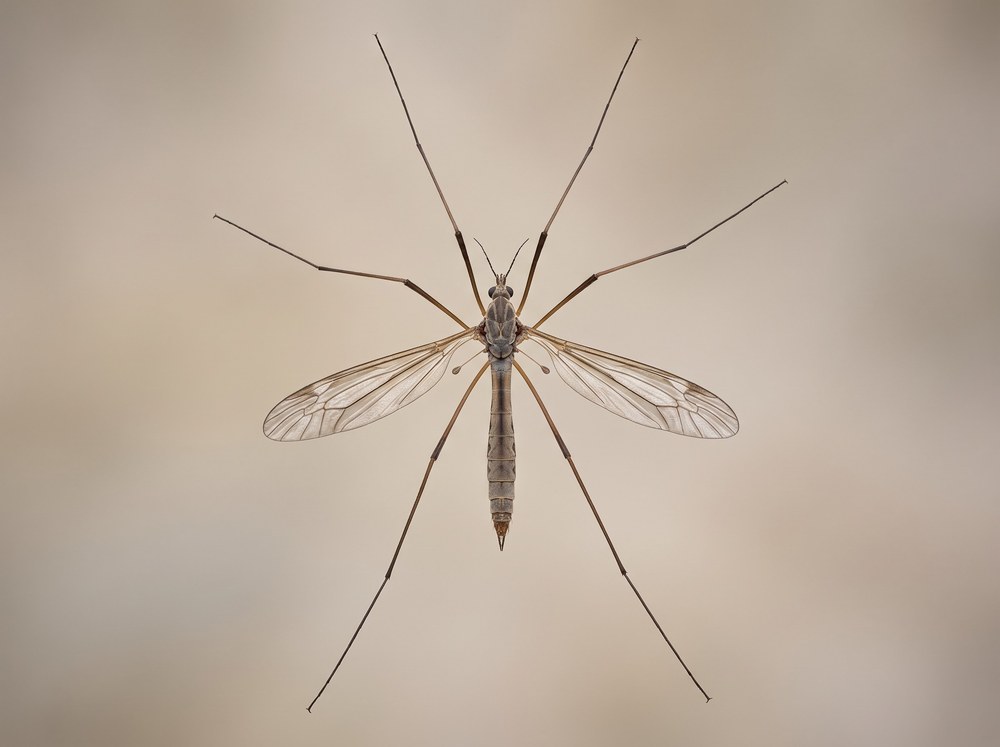
Can a crane fly actually bite your skin?
Adult crane flies cannot pierce human skin because they lack functional mouthparts and stingers. They often look like giant mosquitoes, but they spend their brief adult lives mating and rarely feed at all. If you develop a tender red welt, another outdoor bug caused the injury while you were nearby.
A skin spot alone rarely reveals the culprit because the body reacts similarly to various tiny irritants. Histamine release makes skin swell and itch whether the intruder was a gnat, flea, or spider. Rather than assuming a crane fly hurt you, focus on keeping your skin clean while monitoring any physical sensations you might feel over the day.
What visible details should you look for?
Take a moment to inspect the area under a bright, steady light. You might see a small central puncture dot, slight puffiness, or a light pink ring spreading across the surface. These common skin reactions generally stay smaller than a coin and feel warm rather than intensely hot to your touch.
Notice whether you have a single localized bump or a cluster of several marks scattered along your arms or ankles. True bites from biting flies or midges often appear in small groups. Check your clothing and immediate environment to see if other flying insects are resting near your patio chairs or windows.
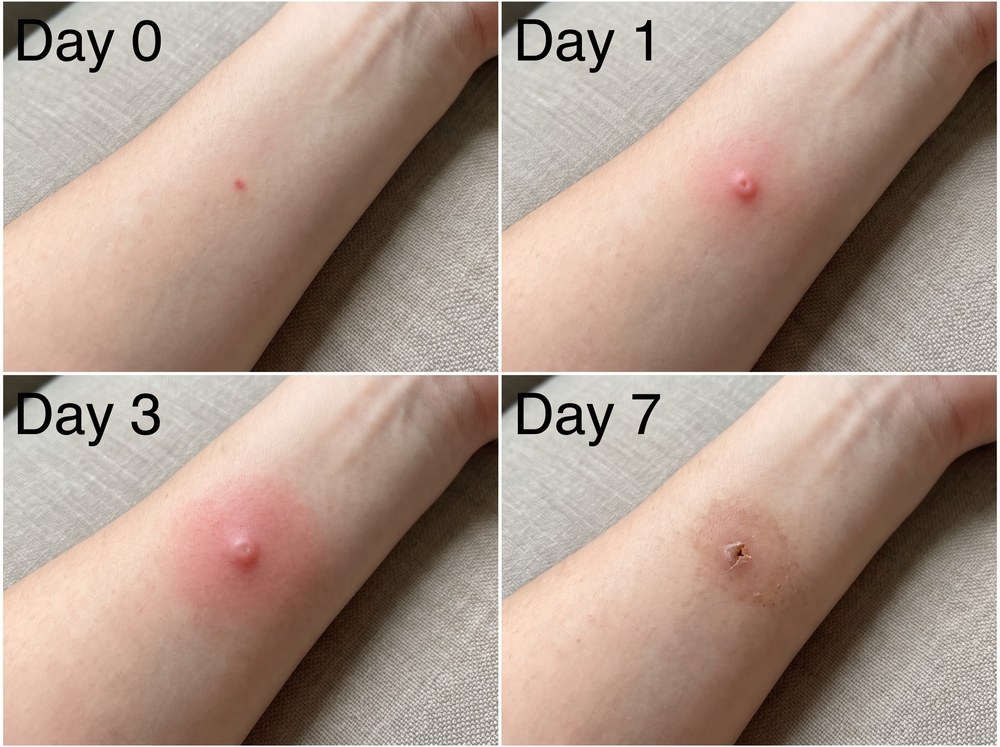
How do these marks usually change over time?
Most minor insect reactions peak within the first twelve to twenty-four hours after exposure. You can expect the initial itchiness and swelling to gradually subside after the second day. The bright redness often turns into a duller pink or faint brown spot as the tiny puncture wound begins to knit together.
Sometimes a mark looks larger the following morning simply because you rubbed or scratched it in your sleep. If the surface stays intact, the swelling should flatten steadily over several days. Healing usually completes within a week, leaving your skin clear without leaving permanent scars or persistent hard lumps under the surface.
Which other insects could be the true cause?
Because crane flies are completely harmless, other common pests flying in the same grassy areas often cause these mystery marks. You might have encountered one of these familiar backyard bugs instead:
Mosquitoes frequently hide in damp vegetation and leave classic soft, itchy welts on exposed limbs.
Biting midges and black flies create sharp pinprick sensations followed by tiny, persistent red bumps.
Spiders or stray ants crawling on outdoor furniture can also pinch your skin if trapped against clothing.
- Mosquitoes frequently hide in damp vegetation and leave classic soft, itchy welts on exposed limbs.
- Biting midges and black flies create sharp pinprick sensations followed by tiny, persistent red bumps.
- Spiders or stray ants crawling on outdoor furniture can also pinch your skin if trapped against clothing.
How can you photograph and track the spot?
Tracking your skin changes provides clear visual evidence if you ever need to consult a healthcare provider. Snap a clear photo in natural daylight right away, holding a clean coin or small ruler next to the welt for scale. Take a fresh picture from the exact same angle every twelve hours to document progress.
You can also use a soft pen to draw a light outline around the active red border. This simple trick lets you spot any unexpected expansion immediately. Jot down a brief log of your symptoms, noting when itching began and whether you notice new warmth, tenderness, or spreading color.
What simple steps can you take right now?
Start by gently washing the irritated area with mild soap and cool tap water to remove any lingering outdoor debris. Pat your skin dry with a clean cotton towel rather than rubbing roughly. Applying a cold washcloth or ice pack wrapped in cloth for ten minutes eases mild swelling and calms sudden itching.
Avoid scratching the bump, because breaking the skin invites environmental bacteria into the tiny wound. Keeping your fingernails short and covering the spot with a loose, breathable bandage protects your skin during sleep. Simple home comfort measures are usually all you need while your natural defenses resolve the minor irritation.
Which warning signs require prompt medical care?
Mild itching, slight puffiness, and minor localized redness are standard immune reactions that fade on their own. However, you need to recognize when a skin problem requires professional attention. Developing spreading red streaks, worsening pain, cloudy drainage, or a high fever suggests an infection that needs evaluation by your doctor.
Severe allergic reactions require immediate emergency help. Seek urgent care right away if you develop shortness of breath, facial tightness, tongue swelling, dizziness, or widespread hives across your body. These intense body-wide symptoms are medical emergencies and mean you must call for professional assistance without waiting to see if they improve.
What else might you want to know?
Why do crane flies look so much like giant mosquitoes?
Crane flies belong to the same broad insect order as mosquitoes, sharing long slender bodies and delicate legs. However, they lack piercing mouthparts, cannot feed on blood, and never transmit human diseases. Their resemblance is purely superficial, making them harmless visitors to your garden or porch lights.
Can a crane fly sting you or your pets?
Crane flies do not have stingers, venom glands, or pincers, so they cannot sting you, your dogs, or your cats. The pointed tip on the abdomen of some female crane flies is simply an ovipositor used for laying eggs safely in moist soil or decaying leaves.