How to get rid of crane fly?
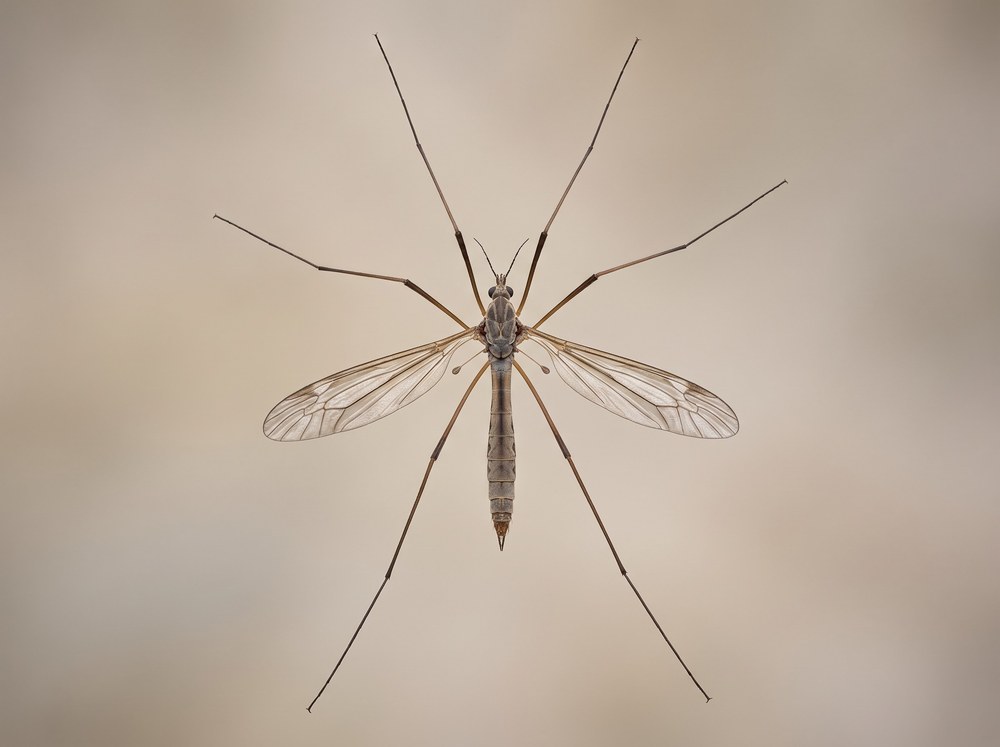
Getting rid of crane flies indoors starts with gently catching and releasing them outside or vacuuming them up, since they do not bite, sting, or harm your home. If you notice an itchy red bump and suspect an insect got you, a different pest like a mosquito or spider is almost certainly responsible. Most mild bites heal quickly with basic skin care. However, if your skin becomes increasingly red, swollen, or painful over several hours, you should evaluate your symptoms carefully and speak with a healthcare provider.
Should You See a Doctor?
A short decision tree based on CDC and Mayo Clinic guidance.
1 / 3 Is there swelling in your face, lips, tongue, or throat, or any trouble breathing or swallowing?
2 / 3 Is the redness spreading rapidly, feeling hot, or paired with fever or chills?
3 / 3 Has the mark been getting steadily worse for more than 48 hours with no improvement?
Do you need urgent medical care right now?
Adult crane flies cannot bite people because they lack mouthparts capable of piercing human skin. If you found one in your house and now have an uncomfortable skin reaction, another bug likely caused the mark. Most minor insect bites do not require an immediate trip to the clinic.
You can usually manage mild itching or localized redness safely from home while your body heals. Urgent care is only necessary if your swelling spreads rapidly, hives break out across your body, or you feel dizzy. Evaluating how quickly your discomfort develops helps determine whether you can simply rest or if you need professional medical evaluation today.
How can you tell a mild skin reaction from a serious problem?
A typical minor bug bite creates a small, itchy bump that stays confined to a tiny area. Your skin might feel slightly warm or tender, but the irritation generally peaks within a day or two before fading. These expected reactions respond well to basic washing and cold compresses.
Prompt medical attention becomes necessary when redness expands noticeably beyond the original spot over twelve to twenty-four hours. Watch closely if your skin develops spreading heat, intense throbbing pain, red streaks, or yellow drainage. Those changes suggest an infection or an unexpected allergic response that needs a doctor's examination rather than home observation.
What changes should you watch for over the next few days?
Paying attention to your skin over the next forty-eight hours helps ensure everything improves smoothly. Keep an eye on the total size of any raised spots and note whether your tenderness is decreasing. Normal bug reactions gradually become less itchy without spreading across wider patches of tissue.
Contact a health professional if you develop a fever, shivering, or swollen lymph nodes near the affected area. You should also reach out for guidance if your skin grows tight, shiny, or increasingly painful to the touch. Tracking these subtle daily shifts allows you to catch any secondary bacterial infection early before it causes larger issues.
Can your health history change how you should respond?
Individual health factors often change how your immune system responds to mysterious insect bites or stings. Living with diabetes, circulatory issues, or a weakened immune defense increases your overall risk for secondary bacterial skin infections. In these situations, even minor skin breaks deserve closer monitoring and earlier clinical advice.
Pregnancy, advanced age, or caring for young infants also warrants a more cautious approach when unexpected skin lesions appear. If your child seems unusually fussy or cannot stop scratching an irritated spot, consulting their pediatrician prevents complications. Always factor your personal medical background into decisions about when to call your local healthcare office.
What safe steps can you take at home right now?
Gently wash the irritated area with mild soap and clean running water to keep your skin free from bacteria. Apply a cool, damp cloth or an ice pack wrapped in a soft towel for ten to fifteen minutes at a time to reduce swelling and calm itching.
Keep your fingernails trimmed short and avoid scratching the spot, because broken skin invites unwanted germs. For indoor crane flies, turn off bright porch lights, repair torn window screens, and guide stray insects outdoors with a cup. These simple measures keep your living space calm while protecting your healing skin.
What severe emergency warning signs require immediate help?
Certain sudden physical reactions require immediate emergency medical care rather than waiting for an appointment. Seek emergency services right away if you experience any of the following critical warning signs after an insect encounter:
Sudden tightness in your chest or severe trouble breathing, noticeable swelling of your lips, tongue, face, or throat, feeling lightheaded, confused, or suddenly passing out, or widespread hives accompanied by rapid nausea and vomiting. These symptoms point toward a severe, potentially life-threatening allergic emergency that requires rapid medical intervention.
What details should you share with your doctor?
Clear information helps your doctor evaluate your situation accurately during an in-person visit or telehealth consultation. Tell your clinician exactly when you first noticed the skin mark and describe how your symptoms changed over time. Mention any outdoor activities, yard work, or travel you completed recently.
Taking clear photos of your skin in good lighting each morning creates a helpful visual timeline of swelling or redness. Share a complete list of your current medications and underlying medical conditions with the staff. Remember that while photos provide helpful clues, a doctor cannot reliably identify the specific insect species from a skin mark alone.
What else might you want to know?
Why do crane flies gather around home entryways?
Crane flies are naturally attracted to bright exterior lights on porches and patios during warm evenings. They often slip inside through open doors or damaged window screens. You can deter them by switching to yellow bug lights and sealing small gaps around your windows and entryways.
Can crane flies cause damage to household property?
Adult crane flies do not feed on fabric, wood, or pantry foods, making them completely harmless to your home furnishings. Their presence indoors is simply an occasional annoyance. Gently capturing them under a glass and sliding paper beneath lets you release them outdoors without causing any mess.