What is a crane fly bite?
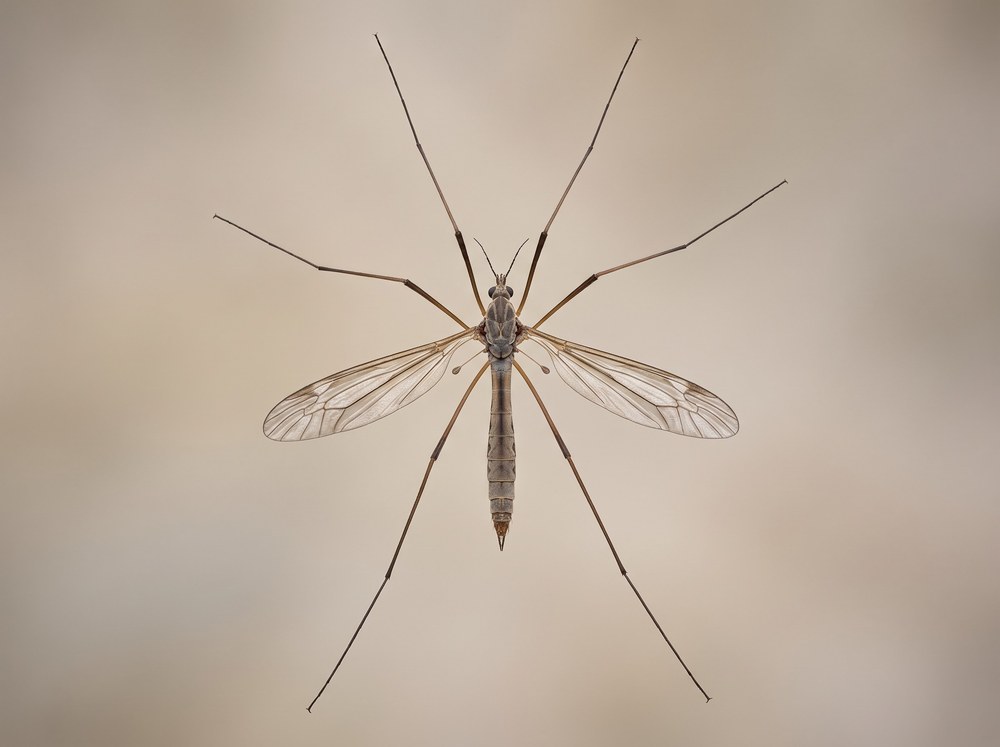
A crane fly bite is actually a common misunderstanding because adult crane flies do not bite humans or animals. These large, spindly insects lack the mouthparts required to pierce your skin, and they do not carry venom or toxins. If you notice a red bump, swelling, or mild tenderness after seeing one nearby, another pest like a mosquito or spider likely caused your mark. Understanding what caused your skin reaction helps you choose safe comfort measures and decide if you need professional medical evaluation.
Should You See a Doctor?
A short decision tree based on CDC and Mayo Clinic guidance.
1 / 3 Is there swelling in your face, lips, tongue, or throat, or any trouble breathing or swallowing?
2 / 3 Is the redness spreading rapidly, feeling hot, or paired with fever or chills?
3 / 3 Has the mark been getting steadily worse for more than 48 hours with no improvement?
Do you need urgent medical help right away?
Since crane flies cannot bite, finding one in your house is not an immediate medical emergency. Most mild bug bites only cause slight redness, minor swelling, or small bumps that settle down over a couple of days on their own.
You do not need an urgent clinic visit unless your body shows strong warning signals. If you notice sudden difficulty swallowing, tongue swelling, or widespread hives across your skin, seek emergency care right away rather than waiting to see if it fades.
Is your skin reaction mild or something more?
A typical, mild reaction to an insect creates a localized bump that might itch or feel slightly warm to the touch. These normal skin changes generally stay small, remaining around the size of a coin, and gradually improve over twenty-four to forty-eight hours.
Prompt medical attention is appropriate if your skin becomes increasingly hot, bright red, or extremely firm. When pain steadily intensifies or a blister begins leaking thick fluid, a doctor should examine your skin to rule out a developing secondary bacterial problem.
What changes should you monitor over the next few days?
Keeping a close eye on your skin over the next few days helps you spot any unusual progression. You can draw a light pen line around the outer border of the redness to track whether the discoloration expands beyond its initial boundary.
Take note of how your body feels overall as time passes. If you develop a rising body temperature, body aches, swollen lymph nodes, or new rash patches away from your initial spot, contact a healthcare provider for personalized guidance and careful evaluation.
How do existing health conditions change your risks?
Certain personal health factors can make your body more vulnerable to complications from skin punctures. If you live with diabetes, poor circulation, or an altered immune system, everyday skin breaks can turn into deeper infections much faster than usual.
Pregnancy, young age, and older age also warrant extra caution whenever skin symptoms escalate. When you notice spreading redness or persistent discomfort while managing a chronic health condition, consulting your regular doctor early helps prevent unnecessary complications and supports safer, faster healing.
What safe home steps can you take right now?
Start by gently cleaning your skin with basic mild soap and cool water to wash away dirt. Applying a cold washcloth or wrapped ice pack to the irritated area for ten minutes at a time helps reduce swelling and soothes persistent itching safely.
Avoid scratching the bump, since your fingernails can easily break open delicate skin and introduce harmful bacteria. Over-the-counter anti-itch lotions or cool compresses can bring comfort while you rest and decide whether to contact your family clinic.
What emergency signs require immediate emergency care?
Severe allergic reactions require immediate emergency intervention without delay. Call for urgent help if you experience tight wheezing, sudden shortness of breath, a hoarse voice, or rapid swelling spreading across your lips, eyes, neck, or throat.
Dizziness, confusion, a rapid heartbeat, or feeling like you might pass out are also critical danger signs. Do not attempt to drive yourself if your balance feels unstable; instead, contact emergency services immediately so trained responders can manage your care.
What details should you prepare for your doctor?
Providing clear details makes it much easier for your clinician to assess what might be happening. Take clear, well-lit photos of the skin mark each day to show whether the swelling, color, or shape has shifted since you first noticed it.
Tell your doctor exactly when the mark appeared and whether you spent time outdoors near tall grass or standing water. Share your full list of daily medications, existing medical conditions, and any practical comfort remedies you have already tried at home.
How can you prevent future insect bites outdoors?
While crane flies cause no harm, the outdoor environments where they gather often attract biting insects like midges and mosquitoes. Applying insect repellent containing registered active ingredients to your exposed skin and clothing provides reliable protection against pesky neighborhood biters.
You can also install fine mesh screens on your windows and doors to keep flying bugs outside. Emptying standing water from plant saucers, birdbaths, and gutters around your yard eliminates the damp breeding grounds that many common biting insects prefer.
What else might you want to know?
Can crane flies sting or carry dangerous poison?
No, crane flies cannot sting, bite, or inject venom. They have no stinger and lack chewing mouthparts entirely. If you feel a sharp sting or notice a painful welt, another creature like a wasp, ant, or biting fly was the true source of your irritation.
Why do people think crane flies bite humans?
People often mistake crane flies for giant mosquitoes due to their long legs and similar body shape. This resemblance creates the false impression that they bite, even though crane flies are completely harmless insects that feed solely on plant nectar or nothing at all as adults.