How to treat fly bites?
To treat most fly bites, wash the skin gently with plain soap and warm water, then apply a cold pack wrapped in a cloth to soothe itching and swelling. Over-the-counter hydrocortisone cream or calamine lotion can also help calm your irritated skin. While these basic steps work well for common mild reactions, a red bump alone cannot tell you which bug bit you. Many insect stings create identical spots. Focus on keeping your skin clean, resting the area, and watching how your body responds over the next few days.
Which Bug Bit Me?
Not sure it was really a crane fly? Answer three questions and we'll narrow the list.
What is the best immediate way to care for a bite?
Your first move should always be gentle cleansing. Washing away dirt, sweat, and surface bacteria helps protect your broken skin from infection. After cleaning the spot, press an ice pack or a cool, damp washcloth against the area for ten to fifteen minutes at a time. This simple routine lowers swelling and numbs sharp itching quickly.
A small bump cannot tell you the exact species that caused it. Biting flies like horse flies, black flies, or deer flies make noticeable marks, but so do other backyard pests. Instead of guessing the bug, focus on calming your discomfort and avoiding harsh scrubbing.
What visible clues can you look for on your skin?
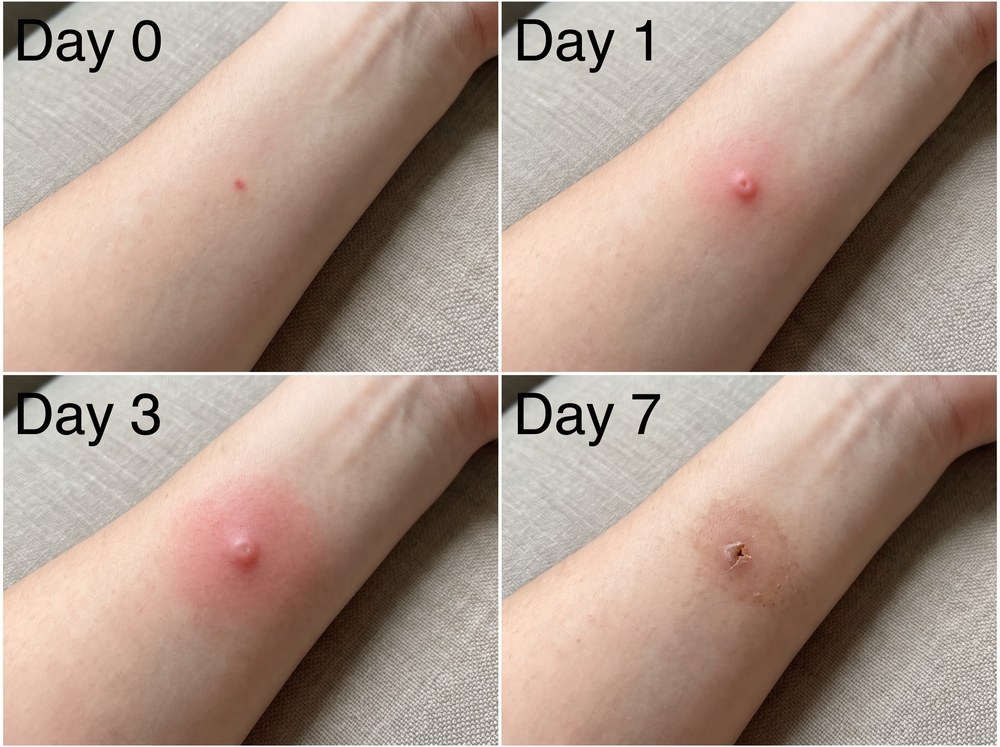
Fly bites often create a small, raised red bump that feels warm or tender when you touch it. Some fly species cut the skin rather than pierce it, which might leave a tiny dot of dried blood or a tiny clear blister in the center of your mark.
You might also notice localized puffiness spreading slightly around the central bite. Everyone reacts differently depending on their personal sensitivity. While these physical traits are common, they are never absolute proof of a fly bite, so use your observations simply to monitor healing rather than confirm a bug identity.
How will the spot usually change over the coming days?
During the first few hours, your bite mark will likely swell slightly and itch intensely as your body responds to the insect saliva. The surrounding redness often peaks within the first day. For most people, the sharpest discomfort begins to fade within twenty-four to forty-eight hours.
Over the next week, the bump gradually shrinks, flattens, and turns darker or pink before fading away completely. If your mark continues expanding significantly after two days, develops spreading warmth, or starts oozing fluid, your skin might be experiencing a secondary issue that needs attention.
Which other skin issues can look like a fly bite?
Mosquito bites, flea bites, and mild spider nips often produce red welts that look identical to fly bites. Non-insect triggers can fool you as well. Contact with irritating plants, small ingrown hairs, heat rash bumps, or mild allergic reactions can easily mimic bug marks on your arms or legs.
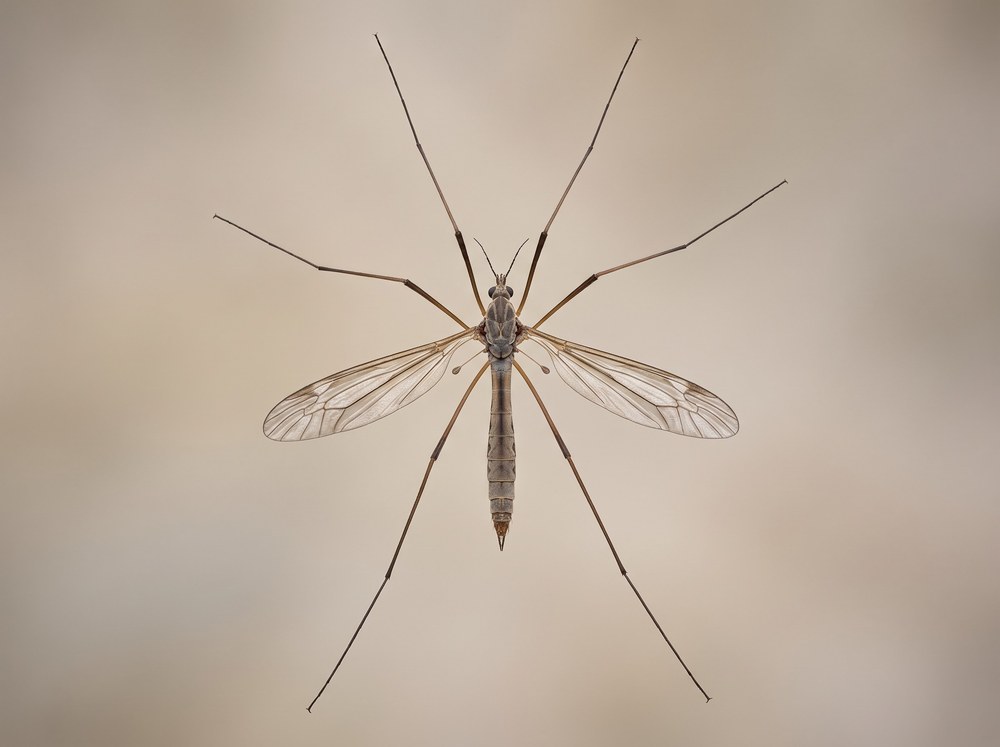
People often blame harmless insects like crane flies when they find a bump, even though adult crane flies cannot bite humans at all. Because many different triggers create matching skin marks, you should treat the symptoms you see rather than assuming one specific outdoor pest caused your trouble.
How can you track and measure your bite at home?
Keeping a simple record helps you see whether your skin is healing or getting worse. Take a clear photograph in bright, indirect light every morning. Place a clean coin or small ruler next to your bite mark so you have an accurate size reference in every picture.
You can also use a soft-tipped pen to draw a light circle around the edge of the redness on your skin. If the discoloration expands noticeably beyond your drawn line over twelve hours, that visual cue helps you explain the progression clearly if you decide to contact your doctor.
What simple home remedies help soothe your discomfort?
Resisting the urge to scratch is the most helpful thing you can do for your skin. Scratching tears delicate tissue and introduces germs from your fingernails into the wound. To calm persistent itching, apply mild calamine lotion, basic baking soda paste, or over-the-counter anti-itch cream.
An oral antihistamine can also reduce swelling and help you sleep if nighttime itching bothers you. Keep the area uncovered and dry when possible, or wear loose, breathable cotton clothing so fabric does not rub against your tender skin while you go about your daily routine.
Which symptoms are normal and which need extra attention?
Mild redness, slight swelling, and manageable itching right around the mark are normal immune reactions. These localized changes usually stay within a small circular area and slowly improve with basic care. A minor sting or temporary tenderness should not cause you deep worry.
Warning signs require a different response. Spreading red streaks, throbbing pain, increasing heat, or yellow pus suggest a possible skin infection. Whole-body symptoms like fever, sudden dizziness, nausea, or swelling in areas away from your bite mean your body needs a prompt medical evaluation.
What else might you want to know?
Can crane flies bite or sting people?
No, crane flies cannot bite or sting you. Despite looking like giant mosquitoes, adult crane flies lack the mouthparts required to pierce human skin. If you find a painful bite after spotting a crane fly nearby, another biting insect or environmental irritant caused your mark.
How long do fly bites usually take to heal?
Most mild fly bites heal within three to seven days with simple home care. The intense itch and redness typically peak on the first day and fade steadily. Keeping your skin clean, cool, and free from scratching helps your skin recover quickly without leaving marks.