What should you do after a crane fly bite?
If you suspect a crane fly bite, your first step is simply washing the area with mild soap and clean water. Crane flies do not possess biting mouthparts, venom, or stingers, meaning they cannot actually bite humans. Any noticeable mark, itchiness, or redness on your skin likely comes from a different insect or simple contact irritation. Keep the spot clean, apply a cool cloth to soothe skin irritation, and watch for unexpected changes that might indicate another bug was responsible for your discomfort.
Should You See a Doctor?
A short decision tree based on CDC and Mayo Clinic guidance.
1 / 3 Is there swelling in your face, lips, tongue, or throat, or any trouble breathing or swallowing?
2 / 3 Is the redness spreading rapidly, feeling hot, or paired with fever or chills?
3 / 3 Has the mark been getting steadily worse for more than 48 hours with no improvement?
Do you need urgent medical attention right away?
Most people who notice a minor red mark do not need emergency medical help. Since crane flies cannot puncture human skin, your body is not dealing with dangerous insect venom from them. A tiny bump or mild itch can usually be managed quietly at home without calling an ambulance.
However, you should always pay attention to how your entire body feels. If you develop sudden wheezing, facial swelling, widespread hives, or lightheadedness, seek emergency medical care immediately. Those symptoms point toward a severe allergic reaction to a different insect sting or bite that needs rapid evaluation by trained medical personnel.
How can you tell mild irritation from a serious issue?
A typical mild reaction stays small, looks like a minor pink dot, and causes slight itching that settles over a few days. You might feel a brief pinch if a bug brushed against your skin, but the discomfort should remain localized and easy to ignore.
A more concerning reaction tends to expand significantly, feel hot to your touch, or throb with worsening pain. If your skin develops expanding red streaks, oozes yellow fluid, or forms large blisters, you should consult a doctor. Those changes suggest an infection or a bite from a more problematic insect.
What should you watch for over the next few days?
Keep an eye on the mark over the next twenty-four to seventy-two hours. Take note of whether your skin looks calmer each morning or if the red area begins spreading outward. Normal skin irritation generally peaks quickly and then fades away without spreading across surrounding tissue.
Watch closely for systemic signs such as a fever, chills, body aches, or unusual fatigue. If your skin becomes increasingly tender or develops a hard lump that grows larger over several days, have a healthcare provider examine it. Tracking these changes helps you catch secondary bacterial infections early.
Does your health history change what you should do?
Your personal medical background can alter how your body handles minor skin breaks. People with diabetes, circulatory problems, or weakened immune systems heal more slowly and face higher risks from minor surface infections. If you manage these conditions, checking your skin carefully is especially worthwhile.
Pregnancy, advanced age, or severe environmental allergies may also lower your threshold for contacting a doctor. When an unknown mark appears on your young child or elderly relative and causes noticeable distress, calling a primary care clinic provides reassurance and ensures proper, safe guidance tailored to their health needs.
What safe home steps can you take right now?
Start by gently cleaning your skin using regular soap and warm water, then pat the spot dry with a clean towel. Placing an ice pack wrapped in a cloth against the area for ten minutes can ease lingering itchiness and reduce local swelling without damaging your skin.
Avoid aggressive scratching, which introduces bacteria from your fingernails into fragile skin layers. You can apply a simple over-the-counter soothing lotion or plain petroleum jelly if your skin feels dry and irritated. Keep the area uncovered and clean so you can easily observe any unexpected changes.
What emergency warning signs require immediate care?
Certain sudden symptoms mean you should call for emergency assistance right away rather than waiting to see what happens. These signs indicate your body is having a severe systemic response that needs immediate professional intervention in a hospital setting.
Get emergency help if you experience tight breathing, swelling around your lips, tongue, or throat, dizziness, confusion, or a sudden rapid heartbeat. A dark purple rash, high fever, or severe nausea also warrants urgent medical transport. Acting fast protects your airway and prevents a serious allergic emergency from escalating.
What details should you prepare for your doctor?
When you visit a clinic, sharing specific details helps your provider give accurate advice. Note the exact time you first noticed the mark, where you were spending time outdoors, and any new symptoms that appeared later. Clear timelines give your doctor helpful clues about potential insect exposures.
Taking a clear, well-lit photo of the spot each day creates a reliable visual record of your healing progress. Bring a list of your current medications and health conditions to your appointment. While photos cannot definitively prove which bug touched you, they show your doctor how the skin responded.
How can you prevent similar insect encounters?
You can easily keep outdoor insects away from your living spaces with a few practical household adjustments. Check your window screens and door seals for small tears where flying bugs might slip inside your home during warm summer evenings when lights are turned on.
When spending time in damp, grassy yards where insects gather, wear light-colored long sleeves and tuck your pants into socks. Empty standing water from birdbaths, plant saucers, and clogged gutters around your property. Removing stagnant moisture discourages various flying insects from laying eggs near your favorite outdoor seating areas.
What else might you want to know?
Can a crane fly transmit diseases to humans?
No, crane flies cannot transmit diseases to humans or household pets. They lack piercing mouthparts and do not feed on blood, so they cannot carry or spread bloodborne pathogens. Any illness following an insect encounter usually stems from a different pest like a mosquito or tick.
Why do crane flies look like giant mosquitoes?
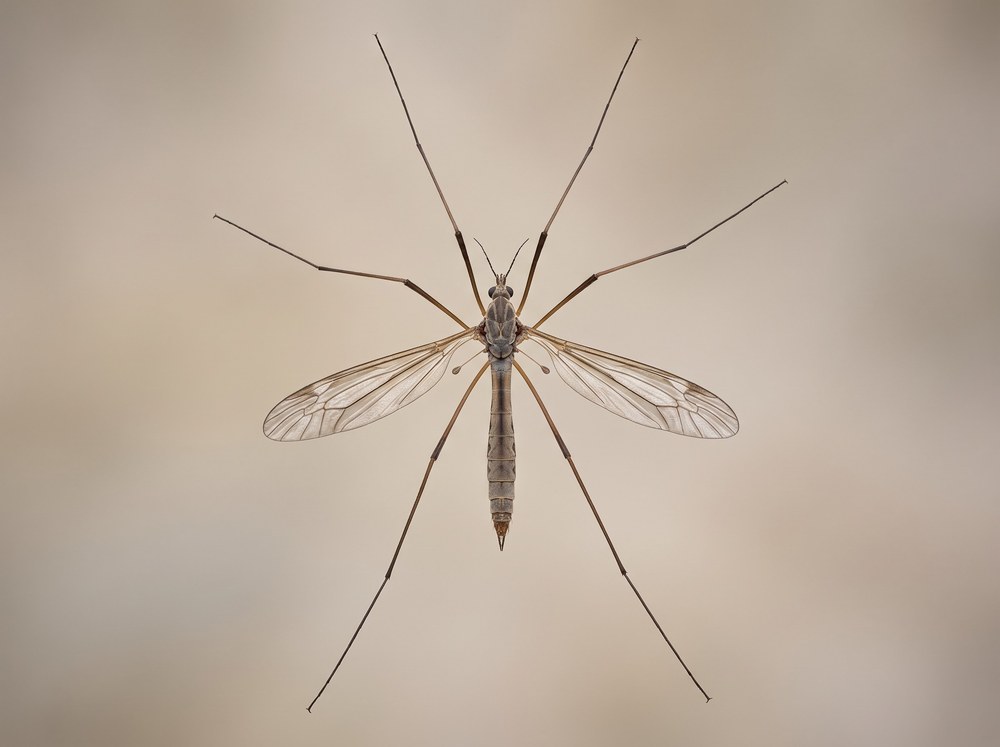
Crane flies belong to a different insect family but share long legs and slender bodies with mosquitoes. Despite their intimidating size, adult crane flies are completely harmless to people. Many adult crane flies do not feed at all, while others consume only flower nectar during their brief lives.